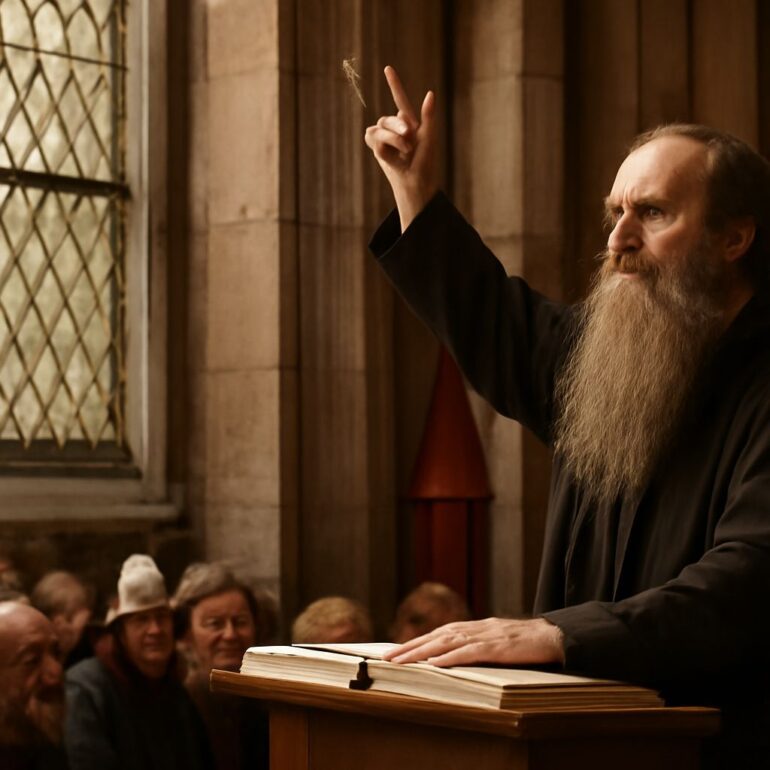
What is Reformed theology? It is a Protestant theological family that emphasizes God’s sovereignty, salvation by grace, and Scripture’s authority. Presbyterian churches are commonly its best-known expression, but Reformed theology is broader than Presbyterian beliefs and does not describe every Presbyterian congregation in exactly the same way.
Methodist beliefs and Episcopalian beliefs share core Christian commitments with Presbyterian churches, including faith in Jesus Christ, baptism, and the church’s mission. They differ most clearly in how they describe salvation, practice the sacraments, organize authority, and shape worship. The comparison below presents common patterns, not a rule for every member or local church.
What Is Reformed Theology?
Reformed theology took shape in the 16th-century Protestant Reformation, especially through the work of John Calvin, Huldrych Zwingli, and other reformers in continental Europe and the British Isles. It sought to bring church teaching and practice under the authority of the Bible rather than church tradition alone.
Five themes help define it. Sovereignty: God rules creation and redemption, and nothing falls outside divine providence. Grace: people do not earn reconciliation with God; salvation begins and depends on divine grace. Scripture: the Bible is the final or supreme norm for doctrine, though churches use confessions and teachers to interpret it. Covenant: God relates to humanity through promises and covenant signs, giving the biblical story a unified shape. Protestant setting: Reformed churches rejected papal authority and defended justification by faith while retaining ordered ministry and structured worship.
Reformed communities vary on baptism, predestination, worship style, and the role of confessions. The label identifies a theological family, not a single worship service or complete statement held identically by all churches.
Presbyterian Beliefs and Reformed Roots
Presbyterian beliefs are commonly Reformed in theology and Presbyterian in governance. The name Presbyterian points to rule by elders, while Reformed points to a theological heritage; the terms overlap, but they are not interchangeable.
- Authority: Scripture is primary, interpreted through Reformed confessions such as the Westminster Standards in many churches. Confessions guide teaching but do not replace the Bible.
- Salvation: God saves by grace through faith in Christ. Traditional Presbyterian confessions affirm election and God’s initiative, while congregations differ in how strongly they explain predestination.
- Sacraments: Baptism and the Lord’s Supper are the two sacraments, understood as covenant signs through which God strengthens faith. Christ is truly present spiritually, not physically.
- Worship: Services usually center on preaching, prayer, Scripture, congregational song, and the sacraments. Style ranges from formal to contemporary.
- Governance: Elders share leadership with ministers. A session leads a congregation, presbyteries connect churches, and broader assemblies handle denomination-wide matters.
Presbyterian churches therefore offer one of the clearest connections between Reformed doctrine and a representative system of church government. Denominations and congregations may still differ on ordination, social questions, and worship practices.
Methodist Beliefs Across Five Criteria
Methodist beliefs grew from the 18th-century revival led by John Wesley. Methodist theology is usually Wesleyan rather than strictly Calvinist, stressing God’s grace and the possibility of a transformed, holy life.
- Authority: Scripture is primary, read with tradition, reason, and Christian experience. This approach is often called the Wesleyan Quadrilateral, although the four sources are not treated as equal authorities.
- Salvation: Grace comes before human response, awakens faith, and enables repentance. People are justified by faith and called toward sanctification, or growth in holiness. Methodist bodies vary on free will and whether salvation can be finally rejected.
- Sacraments: Most Methodist bodies recognize baptism and the Lord’s Supper as sacraments and means of grace. Baptism may be administered to infants or adults, and communion is often offered broadly to Christians.
- Worship: Preaching, prayer, congregational singing, testimony, and communion are common. Services may be highly liturgical or shaped by revival and contemporary worship traditions.
- Governance: Methodism is usually connectional. Bishops, conferences, ordained ministers, and lay members share responsibility across linked congregations rather than each church operating independently.
Methodist churches often combine disciplined community life with an emphasis on personal conversion and practical service. The balance between traditional liturgy, revival spirituality, and progressive or conservative teaching varies widely.
Episcopalian Beliefs: Key Differences at a Glance
Episcopalian beliefs arise from the Anglican tradition, which combines Protestant convictions with historic liturgy and the ministry of bishops. “Episcopal” describes the governance structure, while Anglican theology supplies the wider heritage.
- Authority: Scripture is read with tradition and reason, especially through the ancient creeds and the Book of Common Prayer. Episcopal churches generally give more formal weight to historic liturgy than many Presbyterian or Methodist congregations.
- Salvation: Salvation is understood as God’s gracious work in Christ, received through faith and lived out in the church’s sacramental and moral life. Anglican communities include a broad range of views and usually do not make Calvinist predestination their central emphasis.
- Sacraments: Baptism and the Eucharist are the two great sacraments commanded by Christ. Many Episcopal churches also recognize confirmation, reconciliation, marriage, ordination, and anointing as sacramental rites or means of grace.
- Worship: Worship is normally liturgical, following a prayer book and lectionary. The Eucharist is central, with set prayers, Scripture readings, seasons of the church year, and—depending on the congregation—vestments and incense.
- Governance: Bishops oversee dioceses, while priests and deacons serve local congregations. Conventions and councils include both clergy and lay members, creating a representative structure under episcopal oversight.
Compared with Presbyterian churches, Episcopal churches place greater emphasis on bishops and sacramental liturgy. Compared with Methodist churches, they generally have a more established prayer-book tradition, though both traditions include significant variation in theology and worship.
