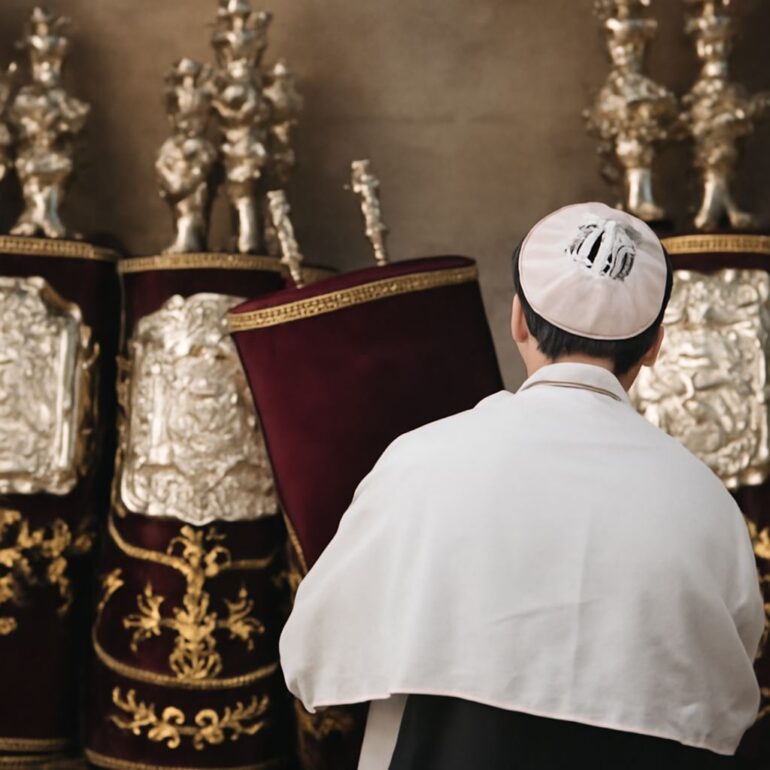
Judiasm is one of the oldest surviving monotheistic religions, shaping the identity of the Jewish people and influencing major world faiths. Understanding the origins, creation timeline, and historic milestones of judiasm offers a clearer picture of its enduring impact. This guide explains the beginnings of judiasm, when judiasm was created, significant events in its history, and how it relates to Catholicism.
Origins of Judiasm
The origin of judiasm traces back over 3,000 years to the ancient Near East. Its roots are found in the early Hebrew tribes of the second millennium BCE, particularly in the region of Canaan (present-day Israel and Palestine). The foundational narrative centers around Abraham, who is considered the first patriarch and the figure who entered into a covenant with God. This covenant promised Abraham descendants, land, and a unique relationship with the divine.
Moses is another pivotal figure in judiasm origin. According to tradition, Moses led the Israelites out of slavery in Egypt in an event known as the Exodus, dated around the 13th century BCE. At Mount Sinai, Moses received the Torah, including the Ten Commandments, which became the core laws and teachings for the Jewish people. The Torah (the first five books of the Hebrew Bible) remains the most important text in judiasm.
Early judiasm was shaped by its context within the ancient world. Contact with neighboring cultures, such as the Egyptians, Babylonians, and Canaanites, influenced religious practices but also reinforced a distinct Jewish identity centered on monotheism and ethical laws.
When Was Judiasm Created?
Judiasm did not emerge overnight but developed gradually over centuries. The question of when judiasm was created has several scholarly answers, depending on the aspect considered:
- Patriarchal Period (circa 1800–1500 BCE): The era of Abraham, Isaac, and Jacob is often considered the earliest phase, marked by a semi-nomadic lifestyle and the formation of a small tribal confederation united by common ancestry and faith in one God.
- Mosaic Period (13th century BCE): The story of Moses, the Exodus, and the giving of the Torah represents a major turning point. Many historians see this as the defining moment when judiasm took shape as a distinct religion with its own laws, rituals, and identity.
- First Temple Period (circa 1000–586 BCE): The creation of the First Temple in Jerusalem under King Solomon marks judiasm becoming an organized, temple-centered faith. The destruction of this temple by the Babylonians in 586 BCE was another formative event.
While the beliefs and customs developed across these periods, most agree that judiasm, as a structured religion, was established by the time of the First Temple, around the 10th century BCE. However, its core stories and principles reach back further, rooted in the experiences of the patriarchs and the Exodus.
Major Events in Judiasm History
Several key moments have shaped judiasm history and the Jewish community:
- Exodus and Sinai Covenant: The migration from Egypt and the reception of the Torah established the moral and religious foundation of judiasm.
- Kingdoms of Israel and Judah: The unification and later division of the Israelite kingdoms influenced religious leadership, scripture compilation, and temple worship.
- Babylonian Exile (586–538 BCE): The destruction of the First Temple and exile to Babylon led to new forms of worship, the emergence of synagogues, and a focus on scripture, which strengthened Jewish identity.
- Second Temple Period (516 BCE–70 CE): With the rebuilding of the Jerusalem Temple, judiasm experienced a religious revival. This era saw the development of major texts, including the prophets and wisdom literature.
- Roman Rule and Temple Destruction (70 CE): The Roman destruction of the Second Temple changed judiasm fundamentally, shifting the focus from temple rituals to rabbinic law, study, and community worship.
- Medieval and Modern Times: Diaspora life, persecution, and cultural flourishing in various lands led to diversification in religious practice and philosophy, from Sephardic and Ashkenazi traditions to Reform, Conservative, and Orthodox movements.
Each period in judiasm history added depth and adaptability, allowing the faith to persist despite challenges.
Judiasm in Relation to Catholicism
Judiasm and Catholicism share historical roots but diverge in beliefs and practices. Catholicism emerged from early Christianity, which itself began as a Jewish movement in the 1st century CE. Jesus of Nazareth and his earliest followers were Jewish, following Jewish law and tradition.
Key differences include the Catholic belief in Jesus as the Messiah and the doctrine of the Trinity—concepts not found in judiasm. While judiasm emphasizes the oneness of God and adherence to the Torah, Catholicism centers on faith in Christ and church sacraments. Despite this, both value scripture, ethical living, and community.
Throughout history, relationships between Jewish and Catholic communities have ranged from cooperation to conflict. In modern times, especially after the Second Vatican Council, dialogue and respect between the two faiths have grown, acknowledging their shared heritage and distinct paths.
