The idea of a new zodiac sign has caused widespread discussion in the astrology community and beyond. For decades, many believed there were only twelve zodiac signs, but the suggested addition of a thirteenth sign, Ophiuchus, has challenged these traditions. This article explores the origins of the new astrology sign, its significance, how it changes astrology, and what biblical themes say about these interpretations.
Introducing the New Zodiac Sign
The concept of a new zodiac sign began to gain attention when astronomers pointed out that the sun’s path actually passes through thirteen constellations, not twelve, over the course of a year. The “new” sign, called Ophiuchus, lies between Scorpio and Sagittarius in the sky. If included, Ophiuchus would shift the dates for all traditional zodiac signs, a change with major implications for astrology enthusiasts.
Ophiuchus, also known as the Serpent Bearer, is not a recent discovery. However, its status as a potential zodiac sign became widely discussed after NASA and astronomers explained that Earth’s shifting axis over time has altered the position of the constellations. While Western astrology has relied on a twelve-sign system for centuries, the inclusion of Ophiuchus brings the question of whether zodiac dates should reflect astronomical reality or stay rooted in tradition.
The new astrology sign is not officially recognized by most mainstream Western astrologers, but its presence in media and online discussions continues to spark curiosity. People want to know if their astrological identity has changed and what characteristics the new sign might represent.
Origins and Meaning of Ophiuchus
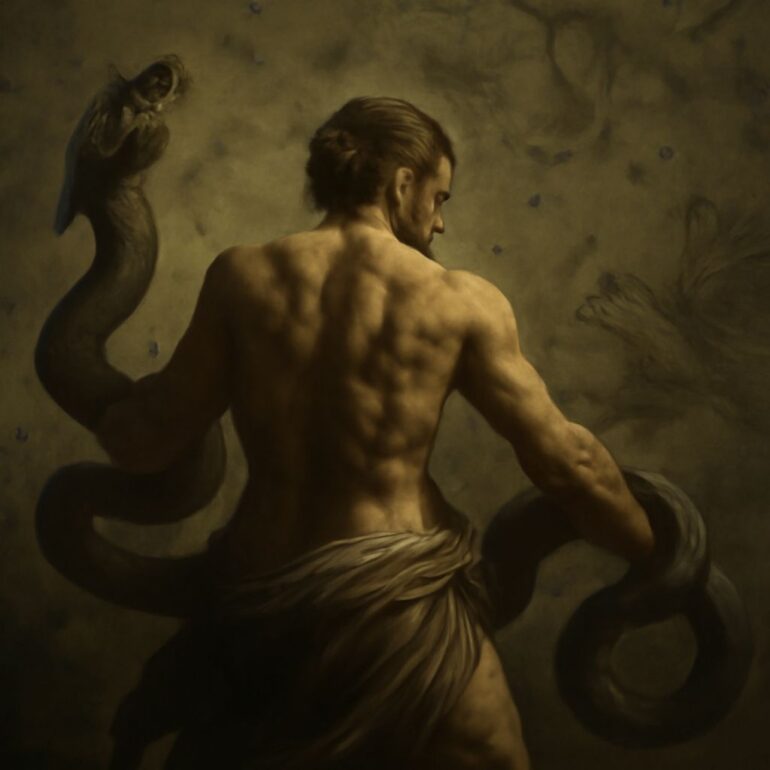
Ophiuchus, the thirteenth sign, is named after a constellation that depicts a man holding a serpent. The image is drawn from Greek mythology, often connected to Asclepius, a healer who could bring people back from the dead. In the sky, Ophiuchus lies between Scorpio and Sagittarius, and the sun passes through it each year from roughly November 29 to December 17.
The traits associated with Ophiuchus differ from those of the traditional twelve signs. Astrologically, Ophiuchus is linked to qualities such as wisdom, healing, magnetic charisma, and a deep interest in knowledge and truth. People born under this sign are sometimes described as passionate seekers, honest, and prone to pursuing transformation in themselves and others.
The constellation itself is real and has been recognized for thousands of years, but its omission from the classic zodiac has to do with ancient Babylonian decisions. The Babylonians divided the sky into twelve sections to match their lunar calendar, even though they knew about Ophiuchus. This practical choice shaped the tradition that most people know today, rather than actual star positions.
Some astrologers who embrace the new astrology sign suggest that including Ophiuchus offers a more accurate reflection of the sky and could add depth to astrological readings. However, others argue that the established twelve-sign system is symbolic, not literal, and serves its purpose as-is.
New Astrology Sign and Its Impact
Adding Ophiuchus would cause a realignment of all the zodiac dates. For example, someone born under Sagittarius might now fall under Ophiuchus, and the other signs would shift accordingly. Here is how the dates would change with the thirteenth sign included:
- Ophiuchus: November 29 – December 17
- Scorpio: November 23 – November 29
- Sagittarius: December 17 – January 20
If you use the new astrology sign system, your sun sign could be different from what you’ve always believed. This has led to confusion for people who closely identify with their zodiac characteristics. Online calculators and charts now offer both the traditional and “new” date ranges, allowing individuals to check their sign under each system.
It’s important to note that most Western (tropical) astrologers do not use Ophiuchus, while sidereal and Vedic astrologers use a zodiac based on actual star positions but also exclude this sign. The discussion highlights the difference between astrology as a symbolic system and astronomy as a science.
Some see Ophiuchus as an opportunity to reflect on the flexibility of astrological meaning, opening doors to self-exploration and a broader perspective on cosmic symbolism.
Biblical Themes and Astrology
Christian perspectives on astrology, including the addition of a new astrology sign, are shaped by biblical teachings. The Bible generally warns against divination and putting faith in celestial signs over God’s guidance. Passages such as Deuteronomy 18:10-12 and Isaiah 47:13-15 caution against relying on astrology for prophecy or decision-making.
From a biblical point of view, the stars and planets are created to mark times and seasons (Genesis 1:14) but not to direct personal destiny. The introduction of Ophiuchus does not change the scriptural stance: astrology is viewed as a human attempt to find meaning outside of God’s revelation. Many Christian writers recommend discernment, encouraging believers to seek wisdom through prayer and scripture, not the zodiac.
While the new astrology sign is an interesting topic for discussion or self-reflection, biblical themes remind readers to ground their identity and choices in faith rather than in changing astrological systems. The debate over Ophiuchus ultimately highlights the enduring human search for meaning—whether through stars or scripture.
