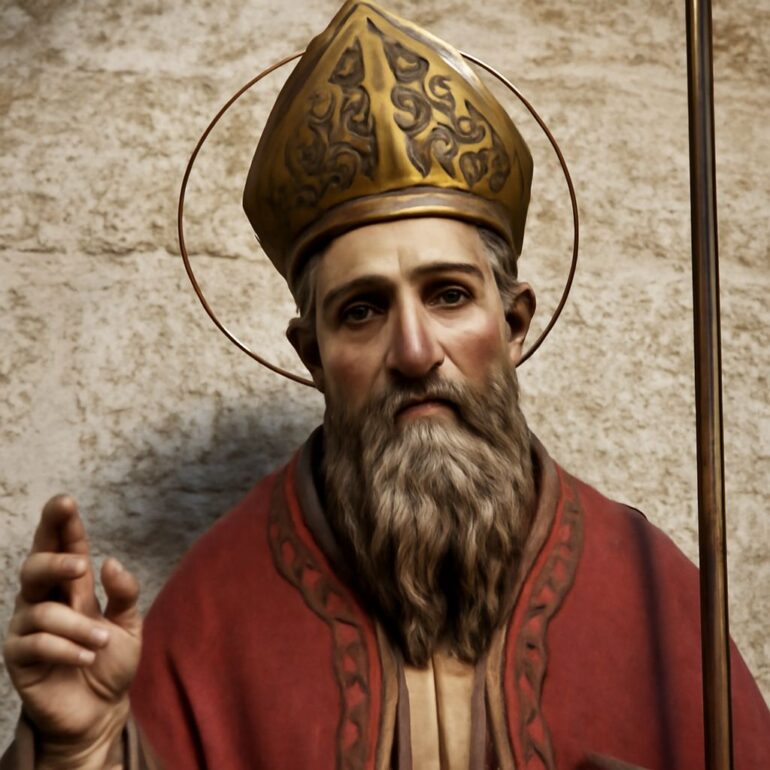
Saint Nicholas is one of the most beloved saints in Christian history, known especially as the patron saint of children. His compassionate deeds, legendary miracles, and mysterious life have inspired countless traditions worldwide. Beyond children, Saint Nicholas is also revered by sailors, merchants, and many others who seek his protection and guidance.
Why Saint Nicholas Is the Patron Saint of Children
Saint Nicholas earned the title of patron saint of children through his remarkable acts of generosity and kindness toward young people. The most famous story tells of a poor man with three daughters who could not afford their dowries. According to legend, Nicholas secretly delivered bags of gold through the man’s window at night, saving the daughters from a life of hardship. This act became the foundation of his reputation for caring for children and the vulnerable.
Many other stories illustrate Saint Nicholas’s special concern for the well-being of children. In one tale, he is said to have resurrected three children who had been killed and pickled by a butcher during a famine. This miraculous rescue cemented his association with the protection and safety of children, and over time, his feast day on December 6 became a day for gift-giving and special blessings for young people.
Churches, especially in Europe, began to dedicate altars and chapels to Saint Nicholas, and parents would pray to him for their children’s health and happiness. These legends and practices spread widely, solidifying his role as a symbol of hope and guardian for children in many cultures.
Today, Saint Nicholas’s legacy lives on in traditions such as Santa Claus, who embodies the spirit of generosity and concern for children. The modern image of Santa is rooted in the kindness and legendary charity of Saint Nicholas, keeping his patronage alive in a secular world.
Saint Nicholas and Sailors
While Saint Nicholas is best known as the patron saint of children, he is equally honored as the patron saint of sailors. His hometown of Myra was a port city in modern-day Turkey, and many early stories describe Nicholas performing miracles at sea. Sailors facing storms or shipwrecks often prayed to him for safety and deliverance.
One popular legend recounts how Nicholas calmed a dangerous storm, saving the lives of sailors who cried out for his help. In gratitude, these sailors spread his fame throughout the Mediterranean. Over time, seafarers came to rely on his intercession whenever they set out on perilous voyages.
Many coastal churches dedicated to Saint Nicholas became places of pilgrimage for sailors seeking protection before setting sail. His image often adorned ships and harbors, and maritime communities would celebrate his feast day with special ceremonies to bless the sea and pray for safe travels.
Saint Nicholas’s influence as a protector of sailors continues today, especially in coastal regions of Europe and Eastern Orthodox countries. His dual patronage links him to both the safety of children on land and the security of sailors at sea.
Who Was Saint Nicholas?
If you are wondering who was Saint Nicholas, he was a Christian bishop who lived in the fourth century in Myra, a city in what is now southern Turkey. Born into a wealthy family, Nicholas was raised as a devout Christian. After the death of his parents, he used his inheritance to help the poor and needy of his community.
Nicholas quickly gained a reputation for his deep faith, humility, and acts of charity. According to historical accounts, he became the Bishop of Myra while still a young man. He was known for his fierce defense of Christian doctrine and his compassion for the suffering.
During his lifetime, Nicholas was also said to have performed many miracles, from healing the sick to saving those in danger. His reputation spread quickly throughout the Roman Empire, and after his death, stories of his kindness and miraculous deeds continued to grow.
Saint Nicholas’s legacy endures through countless churches, shrines, and festivals dedicated to his memory. His life and works inspired the tradition of gift-giving associated with Christmas, and his example of charity remains a model for Christians worldwide.
How Did Saint Nicholas Die?
Details about how did Saint Nicholas die are not precisely documented, but most historical sources agree that he died around 343 AD. Unlike many saints, Nicholas did not die as a martyr. He likely passed away peacefully in Myra after a long life devoted to service, prayer, and leadership.
After his death, Saint Nicholas was buried in the cathedral church in Myra. His tomb quickly became a popular pilgrimage site, and many reports of miracles at his grave contributed to his growing veneration across both Eastern and Western Christianity.
In 1087, Italian sailors moved his remains to Bari, Italy, where a new basilica was built in his honor. This event further spread his fame throughout Europe. The annual celebration of his death on December 6 continues to be a significant religious and cultural occasion, especially in communities with deep ties to his legacy.
Through centuries of devotion, Saint Nicholas remains a beacon of faith, charity, and protection for people around the world, especially children and sailors who look to him as their patron saint.
