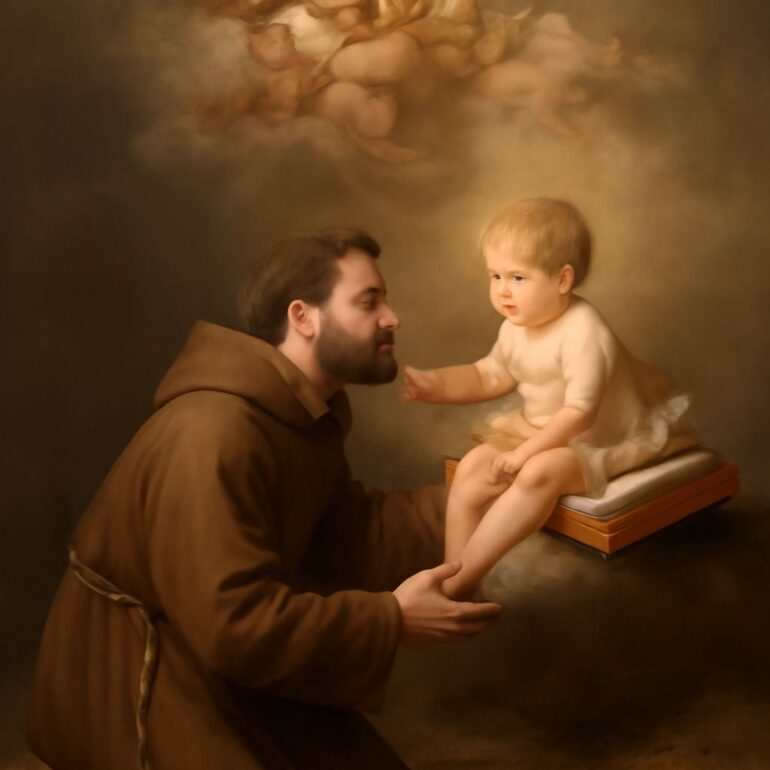
St Anthony is one of the most beloved saints in the Catholic tradition, known for his compassion, powerful preaching, and his reputation as the patron saint of lost things. He is formally known as Anthony of Padua, and his life story continues to inspire millions of people worldwide. This article explores who St Anthony was, the major events of his life, his enduring legacy, and how St Anthony Feast Day is celebrated each year.
Who Is St Anthony?
St Anthony, also referred to as Anthony of Padua, was a Portuguese Catholic priest and friar of the Franciscan Order. Born in Lisbon in 1195, his baptismal name was Fernando Martins de Bulhões. He later took the name Anthony when he joined the Franciscans, in honor of St Anthony the Great.
He is recognized as one of the most popular saints in Christianity, especially revered for his deep knowledge of scripture and his ability to speak with simplicity and conviction. People often ask, who is St Anthony? He is known as the patron saint of lost items, the poor, and travelers, and is often depicted holding the Christ Child or a lily, symbolizing purity.
Devotion to St Anthony spans cultures and countries. Many believe in his intercessory power, especially when seeking help to find lost belongings or spiritual guidance. His reputation for miracles began during his lifetime and has only grown since his death.
Life and Legacy of Anthony of Padua
The life of Anthony of Padua was marked by service, humility, and an unwavering commitment to the Gospel. After joining the Franciscans, he traveled to Italy, where he settled in Padua. There, his talents as a preacher came to full expression. He drew huge crowds and was respected for his ability to connect with ordinary people and explain difficult theological ideas in ways anyone could understand.
St Anthony’s sermons often challenged the rich to care for the poor, and he became known for his advocacy on behalf of those in need. He was also a dedicated teacher, training new members of the Franciscan order and defending the Catholic faith during a time of social and religious upheaval.
Anthony’s reputation for miracles spread rapidly. Countless stories tell of him helping people recover lost things, healing the sick, and converting hardened hearts. Because of these miracles, he was canonized as a saint less than a year after his death in 1231—a rare honor in the Catholic Church. In 1946, he was named a Doctor of the Church, recognizing both his wisdom and his impact on Christian theology and practice.
Today, Anthony of Padua’s legacy lives on in churches, schools, and charitable organizations named after him around the world. Statues and images of St Anthony are commonly found in Catholic homes and places of worship. Many people pray, “St Anthony, pray for us,” seeking his intercession for daily needs or in moments of desperation.
St Anthony Feast Day
The official St Anthony Feast Day is celebrated on June 13 each year. This day marks the anniversary of his death in 1231 and serves as a time for the faithful to honor his memory, seek his intercession, and reflect on his teachings.
Celebrations vary by country and community, but some traditions are widely shared. In Padua, Italy, thousands of pilgrims gather at the Basilica of Saint Anthony to attend special Masses, processions, and blessings. In Portugal and Brazil, the day is marked by street festivals, music, and charitable acts to help the poor.
Many Catholic churches hold a “Blessing of the Bread” ceremony, recalling Anthony’s acts of charity when he distributed food to the hungry. Devotees often light candles and offer prayers, asking for St Anthony’s help with lost items or special intentions. It’s common for people to give alms or donations in his name, reflecting his lifelong commitment to the poor.
Besides liturgical celebrations, St Anthony Feast Day is a moment for families and communities to gather, share meals, and strengthen their faith. The enduring popularity of this feast shows how St Anthony’s message of hope and charity continues to resonate across generations and continents.
