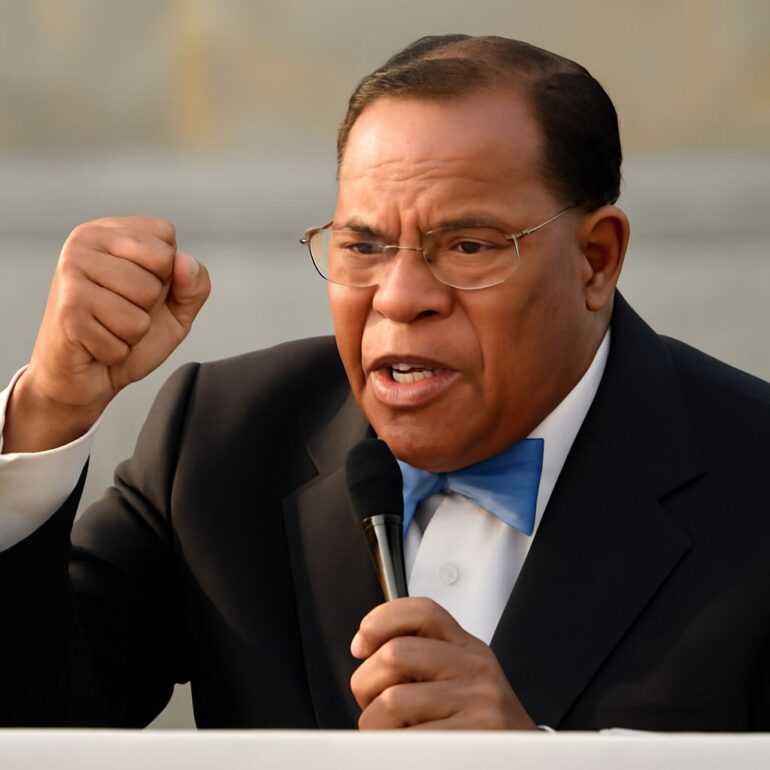
Louis Farrakhan is a name that resonates deeply in both religious and public spheres. As the leader of the Nation of Islam, Minister Farrakhan has played a pivotal role in shaping discussions around race, religion, and social justice. This article delves into his life, his role in the Nation of Islam, his influence, and the controversies that surround him.
Introduction to Louis Farrakhan
Born Louis Eugene Walcott in 1933 in the Bronx, New York, Louis Farrakhan’s journey into the world of religious leadership began with his involvement in the Nation of Islam (NOI). Known for his powerful oratory skills, Farrakhan quickly rose through the ranks to become one of the most recognized faces of the organization.
Role in the Nation of Islam
Minister Farrakhan became the leader of the Nation of Islam in 1977, succeeding Elijah Muhammad. Under his leadership, the organization has focused on promoting African American self-reliance, economic empowerment, and cultural identity. Farrakhan’s leadership style is marked by his charismatic speeches and unwavering dedication to the NOI’s principles.
Influence on Religion and Society
Louis Farrakhan’s influence extends beyond religious circles. He has been a prominent figure in advocating for civil rights and has often spoken on issues affecting African Americans. His speeches and initiatives, such as the Million Man March in 1995, have had a lasting impact on American society, encouraging unity and self-improvement within the African American community.
Controversies and Public Perception
Despite his achievements, Farrakhan has been a polarizing figure. He has faced criticism for his statements on race and religion, which some perceive as divisive. His comments have sparked debates about free speech, hate speech, and the line between the two. Public perception of Farrakhan is mixed, with staunch supporters admiring his dedication and critics wary of his rhetoric.
In conclusion, understanding who is Farrakhan involves recognizing both his contributions and controversies. As a significant figure in the Nation of Islam, Louis Farrakhan remains an influential voice in discussions of race, religion, and social justice.
