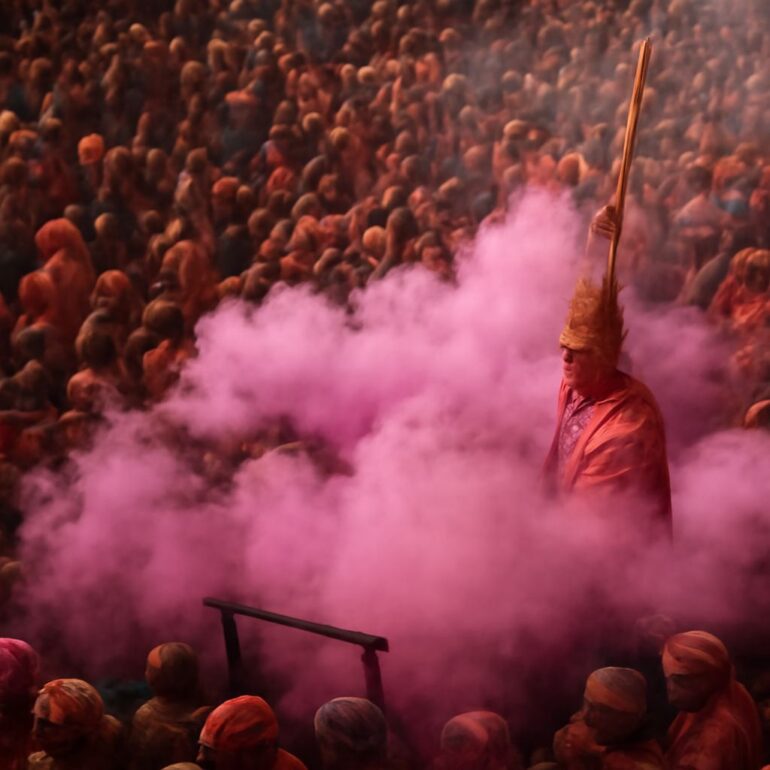
Holi is one of the most vibrant and joyful festivals celebrated across India and in various parts of the world. Known as the “Festival of Colors,” Holi marks the arrival of spring and is a time for fun, laughter, and togetherness. But what is Holi really about, and what does Holi celebrate? Let’s explore the cultural significance, traditions, and how this colorful festivity is observed globally.
Understanding Holi
Holi is primarily a Hindu festival celebrated on the full moon day of the Hindu month Phalguna, which typically falls in March. It is a time when people come together to play with colors, enjoy music, and feast on special foods. The celebration lasts for a day and a night, starting with Holika Dahan on the evening before Holi, followed by the playful day of Rangwali Holi.
Cultural Significance
The Holi fest has deep-rooted cultural significance. It symbolizes the victory of good over evil, specifically commemorating the story of Prahlad and Holika. According to legend, Prahlad was a devout follower of Lord Vishnu, while his father, the demon king Hiranyakashipu, opposed Vishnu. Holika, Hiranyakashipu’s sister, attempted to kill Prahlad by sitting with him in a fire, but she was the one who perished instead, thanks to a divine boon protecting Prahlad.
Holi also celebrates the eternal and divine love of Radha and Krishna. It is said that Krishna, who had a dark complexion, was worried about whether fair-skinned Radha would like him. His mother suggested that he color Radha’s face, which he did, and this playful interaction has become a hallmark of the festivities.
Traditions and Customs
Holi is known for its vibrant traditions and customs. On the eve of Holi, large bonfires are lit to signify the burning of evil spirits during Holika Dahan. People gather around the fire to sing and dance, marking the start of the festivities.
The next day, people of all ages take to the streets with colored powders, water balloons, and water guns. This playful exchange of colors is accompanied by traditional songs, dances, and delicious foods like gujiya, a sweet dumpling filled with dried fruits.
Families and friends visit each other, sharing sweets and greetings, breaking social barriers and promoting unity. The use of colors symbolizes joy, love, and the essence of life, as participants smear each other with powders in every color imaginable.
Holi Around the World
While Holi is predominantly celebrated in India, it has gained popularity around the globe. In Nepal, Holi is celebrated with equal enthusiasm, with similar customs and traditions. In countries with large Indian communities, such as the United States, Canada, and the United Kingdom, Holi events are organized to bring people together.
These international celebrations often include music festivals, cultural performances, and Indian cuisine, making them a melting pot of cultural exchange. The universal message of love and unity makes Holi a festival that transcends geographical boundaries, bringing people together from all walks of life.
In conclusion, Holi is much more than a festival of colors. It is a celebration of love, joy, and the triumph of good over evil. The traditions and stories behind Holi not only highlight its cultural significance but also make it a universally cherished occasion.
