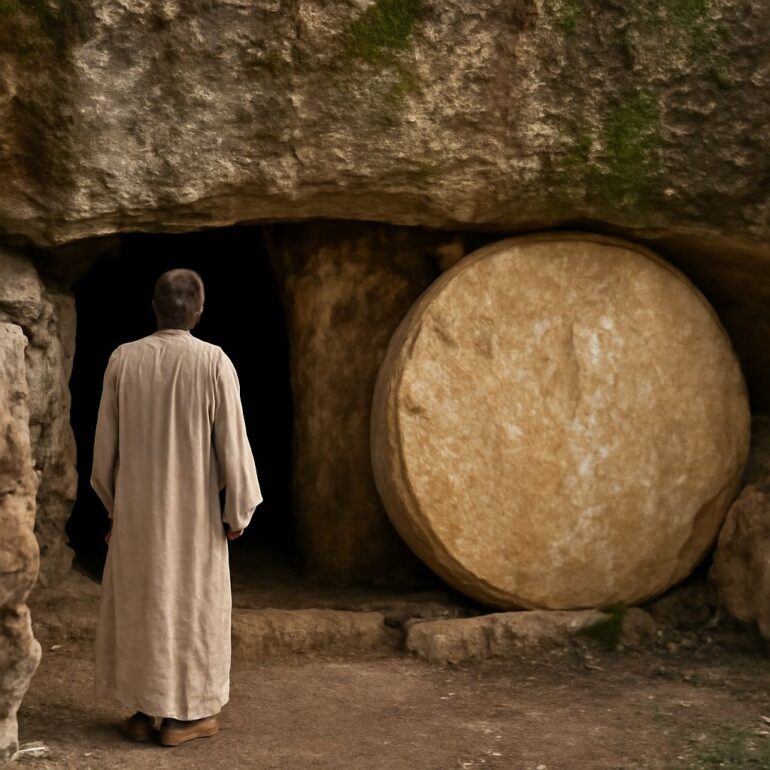
Easter Sunday, also known as Resurrection Sunday, is one of the most significant days in the Christian calendar. It celebrates the resurrection of Jesus Christ from the dead, marking the culmination of the Passion of Jesus, preceded by Lent, a 40-day period of fasting, prayer, and penance. Understanding what Easter Sunday entails and why it is celebrated reveals the profound impact it has on believers and its historical roots.
What is Resurrection Sunday?
Resurrection Sunday is the day Christians commemorate the resurrection of Jesus Christ. According to the New Testament, Jesus was crucified on Good Friday and was resurrected three days later, which is celebrated as Easter Sunday. This event is the cornerstone of Christian faith, symbolizing victory over sin and death and offering the promise of eternal life to believers.
The name “Resurrection Sunday” emphasizes the event’s religious significance, focusing on Jesus’ rising from the dead rather than secular traditions that have become associated with Easter.
The Historical Significance of Easter
The historical roots of Easter date back to early Christianity. Initially, it was celebrated along with the Jewish Passover, as both events are closely linked in the Bible. Passover celebrates the Israelites’ exodus from Egypt and their liberation from slavery, which is seen as a precursor to Jesus’ sacrificial death and resurrection, liberating humanity from sin.
As Christianity spread, Easter evolved into a separate celebration distinct from Passover, with the First Council of Nicaea in AD 325 establishing the date of Easter as the first Sunday after the first full moon following the vernal equinox. This decision unified the celebration of Easter among Christians worldwide.
Why Easter is Celebrated
Easter is celebrated for several reasons. Primarily, it marks the resurrection of Jesus Christ, affirming Christians’ belief in life after death and Jesus’ divine nature. This event is seen as the fulfillment of God’s promise of salvation, making it a cornerstone of Christian theology.
Beyond its theological implications, Easter also represents renewal and hope. The timing of the festival in spring, when nature is renewing and blossoming, further symbolizes the new life and hope that Jesus’ resurrection brings to believers.
The celebration of Easter goes beyond religious rituals, incorporating various traditions. These include attending special church services, participating in Easter egg hunts, and sharing meals with family. Each of these traditions, whether religious or secular, reflects the themes of rebirth and joy that are central to Easter.
