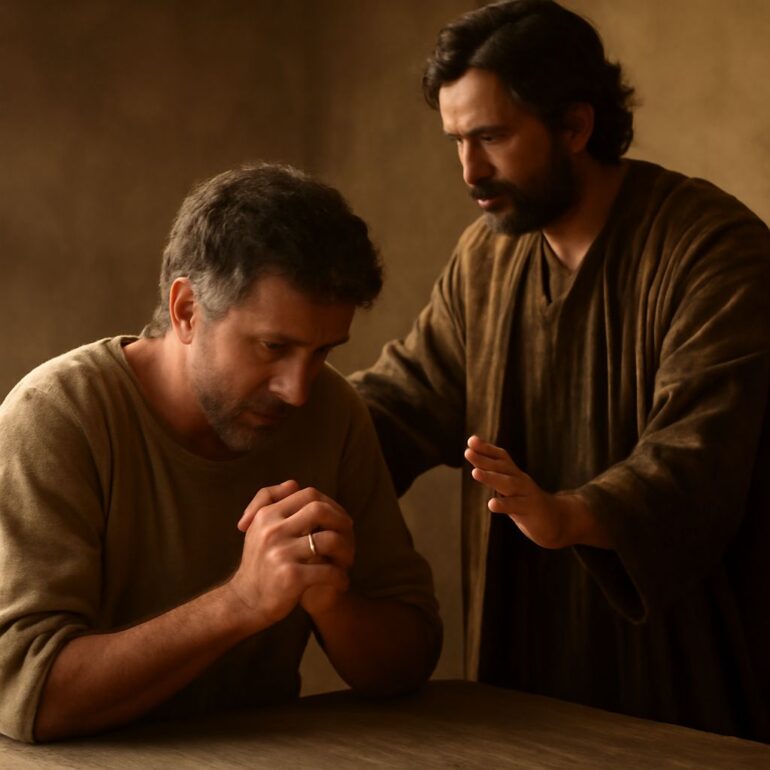
Psalms 51 is one of the most well-known and frequently recited passages in the Book of Psalms. Its words express deep sorrow for wrongdoing and an earnest desire for renewal and forgiveness. Many people turn to ps 51 when seeking comfort, understanding, and a path to spiritual restoration. Understanding its background, main themes, and practical application helps readers connect the psalm’s ancient message to their own lives today.
Background of Psalms 51
Psalms 51 was written by King David after one of the darkest moments of his life. According to the Bible, David composed this psalm soon after the prophet Nathan confronted him about his adultery with Bathsheba and the subsequent arrangement of her husband Uriah’s death. This event is described in 2 Samuel 11-12.
The psalm is labeled as “A psalm of David, when Nathan the prophet went to him, after he had gone in to Bathsheba.” This specific background gives Psalms 51 a unique place as a personal and public confession of sin. David, the king of Israel and a man after God’s own heart, openly admits his wrongdoing and pleads for God’s mercy. His honest and humble approach makes the psalm relatable for anyone who has experienced guilt, regret, or the need for a fresh start.
Historically, Psalms 51 has been used in worship, repentance rituals, and personal prayer. Its language and structure offer a model for how to approach God with honesty and hope after failure. The psalm’s background also highlights the seriousness with which the Bible treats both sin and forgiveness.
Key Themes and Verses
Psalms 51 centers around several powerful themes: confession, repentance, mercy, and renewal. David starts with a plea for God’s compassion: “Have mercy on me, O God, according to your unfailing love; according to your great compassion blot out my transgressions” (Psalm 51:1). This opening verse sets the tone for the entire chapter, as David throws himself on God’s mercy rather than making excuses.
Another important theme is personal responsibility. In verses 3-4, David plainly states, “For I know my transgressions, and my sin is always before me. Against you, you only, have I sinned and done what is evil in your sight.” He acknowledges his actions without shifting blame. This confession is key for anyone seeking real change and forgiveness.
Psalms 51 also includes requests for cleansing and inner transformation. Verse 10 resonates with many: “Create in me a pure heart, O God, and renew a steadfast spirit within me.” Unlike a simple apology, David asks for a total inner change—a desire echoed by many who feel stuck in old habits or shame.
Finally, the psalm emphasizes God’s delight in sincerity over ritual alone. Verse 17 says, “The sacrifices of God are a broken spirit; a broken and contrite heart, O God, you will not despise.” This means that God values genuine humility and repentance more than outward displays or rituals.
Personal Reflection and Application
Many people find comfort and guidance in psalms 51 when dealing with personal failure or seeking a new beginning. The psalm’s structure provides a practical model for reflection:
- Acknowledge wrongdoing: Honestly admit mistakes rather than making excuses.
- Seek mercy: Ask for forgiveness based on God’s compassion, not personal merit.
- Desire transformation: Pray for a changed heart and renewed purpose.
- Offer sincerity: Approach God with humility and openness instead of empty promises or outward acts.
For those struggling with guilt or regret, reading or reciting psalms 51 can be a starting point for genuine personal growth. It reminds us that no one is beyond redemption and that spiritual renewal is possible, regardless of past mistakes.
In group or community settings, Psalms 51 is often used in worship services focused on confession and repentance, such as the Christian observance of Ash Wednesday or Jewish traditions of Yom Kippur. Its honest language helps others find words for their own struggles and hope for restoration.
Applying Psalms 51 today involves more than reciting its verses. It means embracing the process of self-examination, confessing honestly, and seeking real change. This psalm encourages both personal responsibility and trust in God’s ability to forgive and renew.
Frequently Asked Questions
What is the main message of Psalms 51?
The main message is that anyone can approach God for forgiveness, no matter the seriousness of their mistakes. Psalms 51 models how to confess, repent, and ask for inner renewal.
Who wrote Psalms 51 and why?
King David wrote Psalms 51 after being confronted by Nathan the prophet about his sin with Bathsheba and Uriah. The psalm is his prayer for mercy and restoration.
How is psalms 51 used in worship today?
Many Christian and Jewish communities recite or read psalms 51 during services of confession, repentance, or personal reflection. Its words provide a guide for seeking forgiveness and renewal.
What are the most famous verses from Psalms 51?
Key verses include Psalm 51:1 (“Have mercy on me, O God…”), 51:10 (“Create in me a pure heart…”), and 51:17 (“A broken and contrite heart, O God, you will not despise.”) These verses capture the psalm’s main ideas of mercy, transformation, and sincerity.
