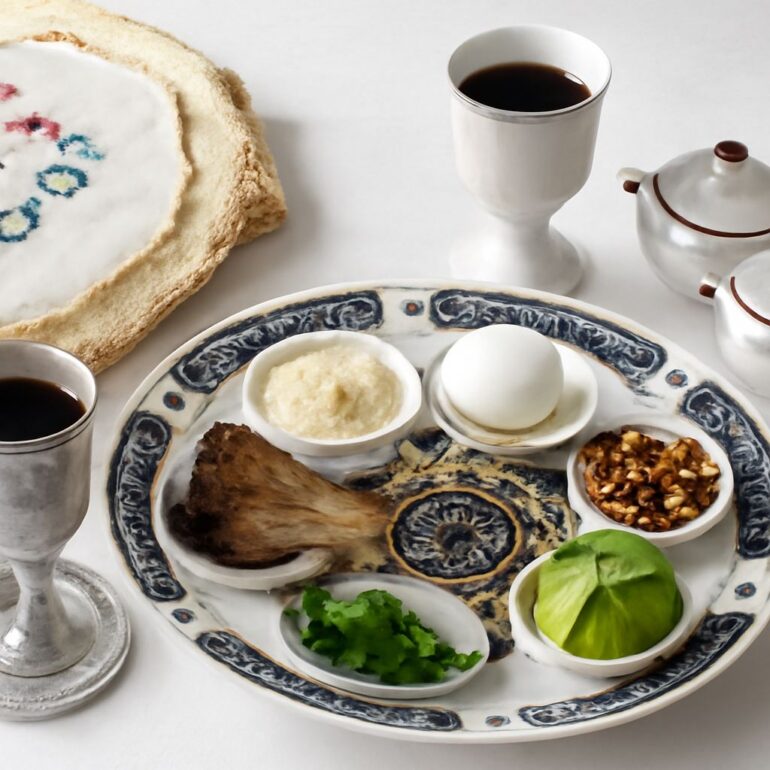
Pesach, also known as the Jewish Passover, is a significant festival that holds deep meaning in the Jewish tradition. It commemorates the liberation of the Israelites from Egyptian slavery, as recounted in the Bible. Understanding the origins and customs of Pesach provides insight into its enduring significance.
What is Passover in the Bible?
Passover, or Pesach, is primarily rooted in the biblical narrative of the Exodus. According to the Book of Exodus, God instructed Moses to lead the Israelites out of Egypt, where they had been enslaved for generations. The event that triggered their release was the tenth plague, in which the firstborn in every Egyptian household was struck down. The Israelites were spared by marking their doorposts with lamb’s blood, prompting the Angel of Death to “pass over” their homes. This miraculous event is where Passover derives its name and significance.
The Significance of Pesach
Pesach is not just a historical commemoration but a religious observance that reinforces Jewish identity and faith. It represents themes of freedom and divine salvation, symbolizing the transition from slavery to freedom. During this time, Jews reflect on their heritage and the importance of liberation and justice. The Seder, a ritual meal held on the first night of Passover, is central to this observance. It involves the retelling of the Exodus story, accompanied by symbolic foods such as matzah (unleavened bread) and maror (bitter herbs), which represent the hardships endured by the Israelites.
What Does Passover Celebrate?
Passover celebrates the deliverance of the Jewish people from bondage in Egypt. It is a time to remember the resilience and faith of the Israelites, who followed Moses into the unknown, trusting in divine guidance. The celebration also highlights God’s power and faithfulness, acknowledging the miracles performed during the Exodus. Beyond its historical and religious aspects, Passover serves to remind individuals of the ongoing struggle for human rights and freedom, encouraging reflection on contemporary issues of oppression and liberation.
