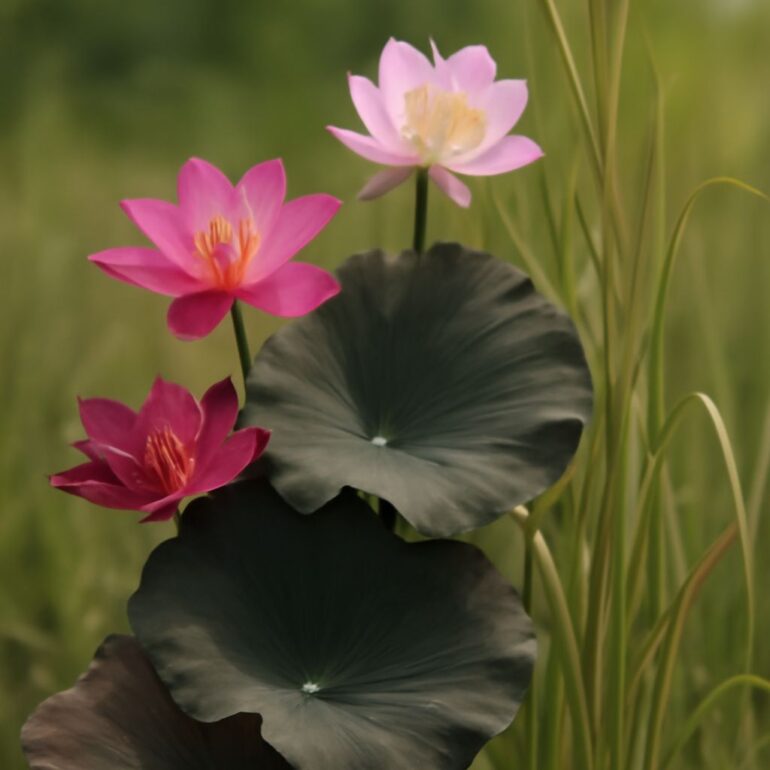
The lotus flower is renowned for its beauty and profound meanings across different cultures. Emerging from murky waters to bloom with pristine elegance, the lotus symbolizes purity, spiritual awakening, and resilience. Let’s explore what the lotus flower represents, its symbolism across various cultures, and its particular significance in Chinese traditions.
What the Lotus Flower Represents
At its core, the lotus flower represents purity and spiritual enlightenment. The flower’s unique ability to rise unstained from the mud is seen as an allegory for the human spirit’s journey towards enlightenment, transcending earthly struggles and impurities. This is why the lotus is often associated with spiritual awakening, as it mirrors the path of personal growth and the quest for inner peace.
Furthermore, the lotus signifies resilience and rebirth. Just as the flower emerges each day from the water, it symbolizes the ability to overcome adversity and begin anew. This aspect makes it a powerful emblem of hope and renewal in various philosophical and spiritual contexts.
Lotus Symbolism Across Cultures
The symbolism of the lotus flower varies widely across cultures, but it maintains a central theme of purity and spiritual significance. In Hinduism, the lotus is linked to creation and the divine, often associated with deities like Vishnu and Lakshmi. It represents divine beauty and the unfolding of spiritual consciousness.
In Buddhism, the lotus symbolizes purity of the body, speech, and mind, as if floating above the murky waters of desire and attachment. It is also tied to enlightenment, as depicted in the image of the Buddha sitting on a blooming lotus.
In ancient Egyptian culture, the lotus was a symbol of the sun and creation, representing rebirth and regeneration. It was believed that the lotus emerged from the primordial waters at the beginning of time, mirroring the daily rebirth of the sun.
The Significance of the Chinese Lotus Flower
The Chinese lotus flower holds special significance, deeply rooted in Chinese culture and history. Known as “Lian,” the lotus is a symbol of purity and harmony. It is often associated with nobility and grace, reflecting the Confucian ideals of virtue and moral purity.
In Chinese art and literature, the lotus frequently appears as a metaphor for the gentleman, or “Junzi,” who remains virtuous despite being surrounded by corruption. Additionally, the lotus is linked to the Buddhist pursuit of enlightenment and is revered as a symbol of spiritual elevation.
Moreover, the lotus holds a place in Chinese folklore and festivals, representing good fortune and prosperity. Its seeds are a symbol of fertility and abundance, often used in traditional celebrations and culinary practices.
In conclusion, the lotus flower meaning is rich and varied, touching on themes of purity, resilience, and spiritual growth. Its symbolism resonates deeply across cultures, particularly in Chinese traditions, where it embodies ideals of virtue and harmony. Whether appreciated for its beauty or its profound symbolic meanings, the lotus remains a powerful and enduring emblem in the tapestry of human culture.
