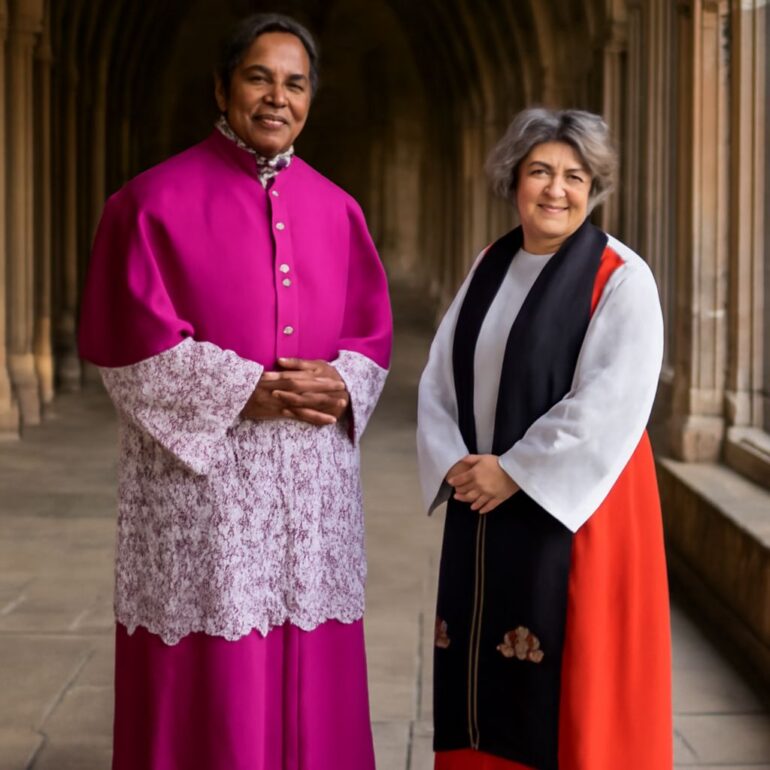
The differences between Christian denominations are easiest to understand through four questions: Who has authority? What is God like? How are people saved and initiated into the church? How should Christians worship and organize congregations?
These questions reveal broad patterns without treating every tradition as identical. They also help explain why Oneness theology differs from the Trinitarian belief held by most Christian denominations.
Why Differences Between Christian Denominations Exist
A Christian denomination is an organized Christian body with its own teachings, worship practices, leadership, and history. Examples include Roman Catholic, Eastern Orthodox, Anglican, Baptist, Lutheran, Methodist, and Pentecostal churches, although these labels cover considerable internal diversity.
Denominations often share core beliefs about Jesus while interpreting Scripture and church tradition differently. Historical events, regional customs, debates about church leadership, and disagreements over doctrine have all contributed to the differences between Christian denominations.
Four Questions That Reveal the Main Differences
- 1. What is the final authority? Churches may emphasize the Bible alone, the Bible read through historic tradition, or the Bible alongside authoritative church teaching. For example, Catholic and Orthodox churches give an important role to church tradition, while many Protestant churches place primary emphasis on Scripture.
- 2. What is God like? Most historic Christian churches teach the Trinity: one God who exists eternally as the Father, the Son, and the Holy Spirit. This differs from non-Trinitarian views, including Oneness theology, which understands the relationship between God, Jesus, and the Spirit differently.
- 3. How are people saved and initiated into the church? Christians differ in how they describe grace, faith, good works, conversion, and the role of baptism. Some churches call baptism and Communion sacraments through which God gives grace; others call them ordinances that publicly express faith. They may also disagree about infant baptism, believer’s baptism, and whether baptism is required for church membership.
- 4. How should worship and church leadership work? Worship may follow a formal liturgy or a less structured service with preaching, singing, and prayer. Governance also varies: bishops may oversee churches in one tradition, while elders, pastors, or congregational votes guide churches in others.
These four questions are a comparison framework, not a complete map of every denomination. A single tradition may contain several positions, and two churches with different names may share much of the same theology.
What Oneness Theology Teaches
Oneness theology is a non-Trinitarian Christian teaching found especially in Oneness Pentecostal churches. It developed in the early twentieth-century Pentecostal movement. Not all Pentecostals hold this view; many Pentecostal churches are Trinitarian.
Oneness believers teach that there is one God, not three distinct, coequal, and coeternal divine persons. The Father, Son, and Holy Spirit describe the one God’s identity, presence, and work rather than three separate persons within the Godhead.
In this view, Jesus Christ is the one God revealed in human life. Oneness teaching affirms Jesus’ full deity and humanity, while explaining the biblical relationship between the Father and the Son through Jesus’ human experience and God’s self-revelation in Christ.
Oneness Pentecostal churches commonly place special emphasis on baptism in the name of Jesus Christ. They often connect this practice with passages in Acts and teach that baptism should use the Jesus-name formula rather than the traditional Trinitarian wording. Many also emphasize repentance, the baptism of the Holy Spirit, spiritual gifts, and, in many churches, speaking in tongues as evidence of Spirit baptism.
Oneness and Trinitarian Belief Compared
Most Christian denominations are Trinitarian. Catholic, Orthodox, Anglican, Lutheran, Reformed, Baptist, Methodist, and most Pentecostal churches confess one God in three distinct persons: Father, Son, and Holy Spirit. The persons are understood as fully divine, coequal, and eternal, not as three gods.
- Understanding God: Oneness theology teaches one divine person or identity revealed in different ways, with Jesus as the visible revelation of the one God. Trinitarian theology teaches one divine being shared by three distinct persons.
- Understanding Jesus: Oneness believers affirm that Jesus is truly God and truly human, but do not describe the Father and the Son as distinct eternal persons. Trinitarians distinguish the Son from the Father while affirming that both share the one divine nature.
- Baptism: Oneness churches generally baptize in Jesus’ name. Trinitarian churches typically baptize in the name of the Father, Son, and Holy Spirit, while differing among themselves about baptism’s timing and sacramental meaning.
- Why the views remain separate: Most Trinitarian denominations reject Oneness theology because they believe it conflicts with the historic creeds and with their reading of biblical passages about the Father, Son, and Holy Spirit. The disagreement is therefore central to Christian doctrine, not merely a difference in worship style.
