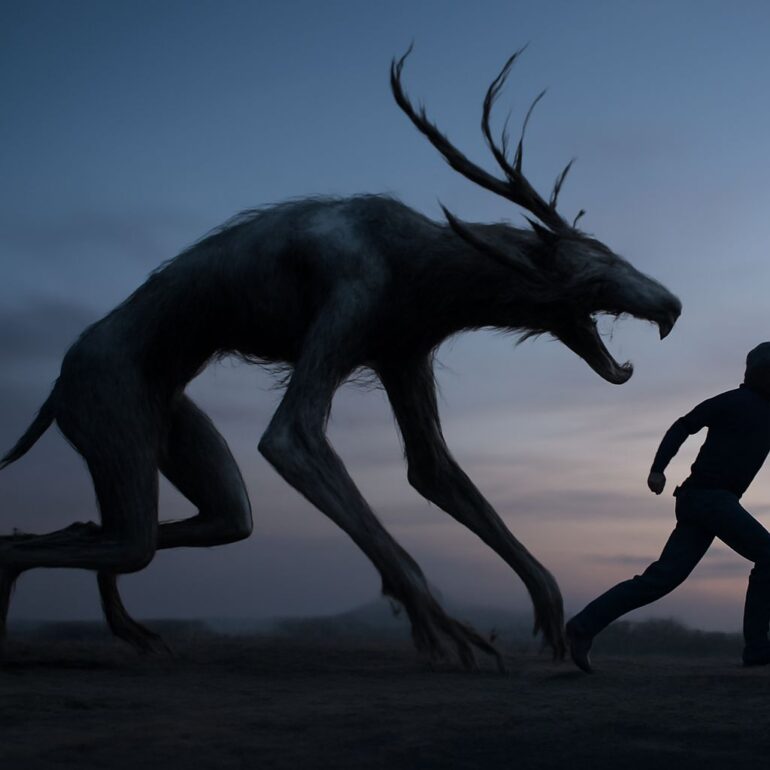
The wendigo is a fascinating and eerie creature rooted in folklore, particularly within the Indigenous cultures of North America. Known for its insatiable hunger and supernatural abilities, the wendigo has captured the imagination of many. This article explores what’s a wendigo, dives into intriguing wendigo facts, and examines its cultural impact.
Introduction to the Wendigo
A wendigo is often described as a malevolent spirit associated with cannibalism, hunger, and winter. This mythical creature is said to roam the forests of the northern United States and Canada, preying on humans. With a gaunt, skeletal appearance, the wendigo is said to grow larger the more it consumes, symbolizing its endless greed.
Origins and Mythology
The legend of the wendigo primarily originates from the Algonquian-speaking tribes, including the Ojibwe, Cree, and Innu. In these cultures, the wendigo is seen as a warning against greed and the breakdown of social taboos, particularly cannibalism. The creature is often depicted as a giant or a ghostly figure, with some variations also incorporating elements of a human-beast hybrid.
Mythologically, the wendigo is considered a manifestation of the human condition’s darker aspects. It embodies themes of isolation, starvation, and the fear of being consumed by one’s desires. This creature’s stories are used to teach moral lessons and preserve cultural values.
Wendigo Facts
Here are some intriguing facts about the wendigo:
- The wendigo is often linked to the harsh winters and scarce resources in its native folklore regions, representing the dangers of desperation.
- Some interpretations suggest the wendigo can possess humans, turning them into wendigos themselves if they engage in cannibalism.
- In popular culture, the wendigo has been featured in various films, TV shows, and books, each depicting it with varying characteristics but often maintaining its core themes of greed and monstrosity.
- The creature’s name has seen variations in spelling, such as “windigo” or “wedingo,” reflecting different dialects and translations.
Cultural Impact
The wendigo’s influence extends beyond folklore into modern media and psychology. In literature and entertainment, it serves as a powerful symbol of unchecked consumption and the loss of humanity. Stories of the wendigo often highlight the conflict between traditional values and modern excess.
In psychological terms, “wendigo psychosis” describes a condition allegedly observed among Indigenous peoples. It involves an intense craving for human flesh and a fear of becoming a cannibal, although this diagnosis is controversial and largely considered a cultural artifact rather than a clinical reality.
Overall, the wendigo continues to captivate audiences, embodying the primal fears and moral lessons that resonate across different cultures and generations.
