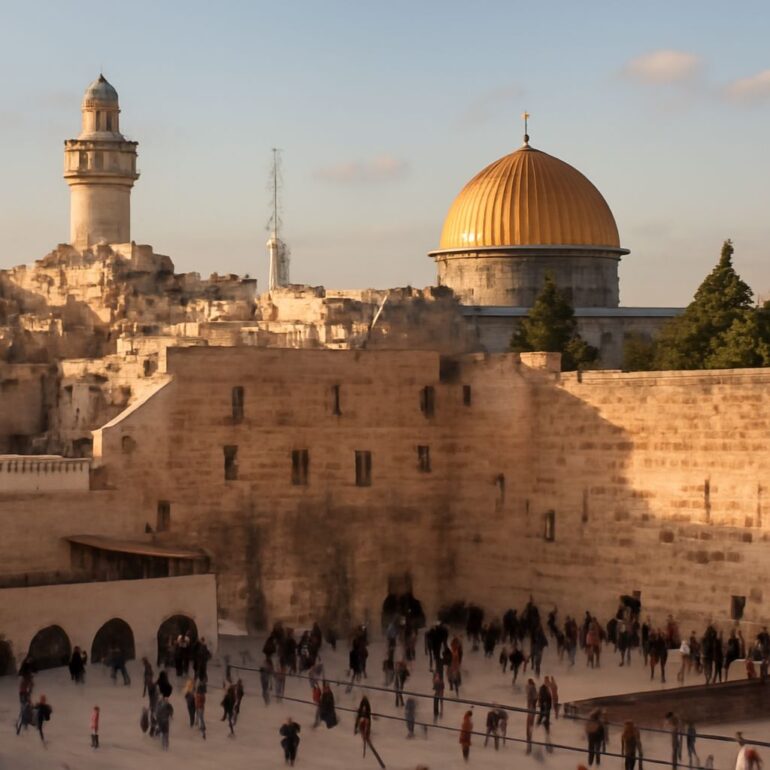
The Western Wall, also known as the Wailing Wall or the Kotel, holds profound significance in various religious traditions, including Catholicism. Situated in the heart of Jerusalem, this ancient structure has become a focal point for prayer and contemplation, drawing visitors from around the world. Understanding its historical context, Catholic perspectives, and its role in interfaith dialogues can offer deeper insights into its enduring relevance.
Historical Context of the Western Wall
The Western Wall is a remnant of the Second Jewish Temple, which was destroyed by the Romans in 70 CE. This sacred site is the last remaining section of the Temple Mount, where Jews believe God’s presence resides. Over centuries, it has served as a symbol of Jewish perseverance and faith.
While primarily significant in Judaism, the Western Wall holds importance in Christianity as well. Jerusalem is a city rich in biblical history, and key events in the life of Jesus took place near the Temple. As such, the Wall serves as a historical link to these events, deepening its significance for Christians, including Catholics.
Catholic Perspectives on the Western Wall
For Catholics, the Western Wall is a place of reflection and prayer. The site offers a tangible connection to the roots of Christian faith, drawing parallels to Jesus’ time in Jerusalem. This connection fosters a sense of shared heritage between Judaism and Christianity.
Visiting the Wall allows Catholics to acknowledge and respect the profound history it represents. Pilgrims often leave prayer notes in the crevices of the Wall, participating in a tradition that transcends religious boundaries. This act symbolizes a desire for peace and reconciliation, resonating with Catholic teachings on compassion and understanding.
Interfaith Dialogues Involving the Western Wall
The Western Wall serves as a powerful symbol in interfaith dialogues, emphasizing commonalities among Abrahamic faiths. By acknowledging the Wall’s significance across religious traditions, it becomes a focal point for discussions on mutual respect and coexistence.
Interfaith initiatives often involve joint visits to the Wall, highlighting shared values and fostering dialogue. These encounters promote understanding and collaboration, contributing to a more inclusive and harmonious religious landscape. The Wall’s ability to unite people from diverse backgrounds underscores its role as a catalyst for peace and cooperation.
In conclusion, the Western Wall in Jerusalem is more than a historical relic; it is a living symbol of faith, unity, and dialogue. For Catholics, it offers a connection to the roots of Christianity, while also serving as a bridge to interfaith understanding and cooperation. As the world continues to seek paths toward peace, the Western Wall remains a testament to the enduring power of shared spirituality.
