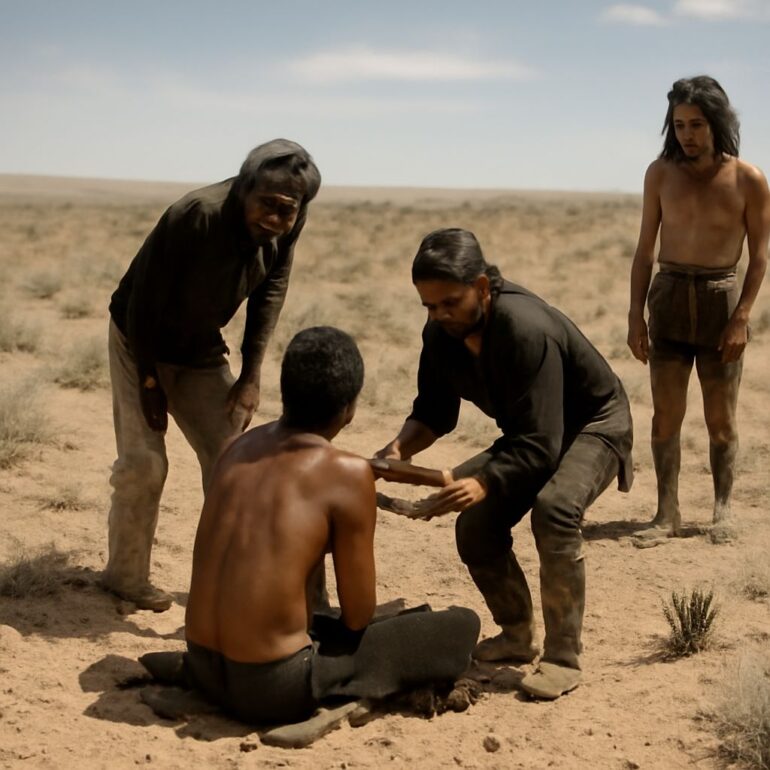
Skinwalkers are a mysterious and fascinating topic that bridges the worlds of folklore and spirituality. Rooted deeply in Navajo culture, these entities have intrigued many, including those outside their indigenous origins. Let’s delve into what a skinwalker truly is and explore how it intersects with Catholic interpretations.
Defining a Skinwalker
The term “skinwalker” often evokes images of shape-shifting beings capable of transforming into animals or taking on human forms. In Navajo lore, a skinwalker, or “yee naaldlooshii,” is considered a witch with the ability to morph and manipulate the spiritual realm. These beings are often associated with malevolence and secrecy, making them feared figures within Navajo society. Understanding what is a skinwalker involves looking at these aspects of transformation and traditional beliefs about power and taboo.
Navajo Beliefs and Traditions
In Navajo culture, skinwalkers are integral to a broader belief system that includes spirits, healing, and mysticism. The Navajo people regard these entities with deep respect and caution. It is believed that a person becomes a skinwalker after engaging in dark rituals or breaking cultural taboos. These practices often involve the manipulation of supernatural forces and a breach of moral codes.
The role of a skinwalker navajo is not merely about transformation; it’s about wielding power in ways that are often considered dangerous or forbidden. This belief is intricately tied to the Navajo view of balance and harmony, where such actions disrupt the natural order. Stories about skinwalkers serve as cautionary tales, emphasizing the importance of community values and spiritual integrity.
Catholic Interpretations
When considering skinwalkers from a Catholic perspective, the focus often shifts to understanding these entities within the framework of good versus evil. Catholic theology tends to interpret such beings as malevolent spirits or demons, echoing themes of temptation and moral testing.
Catholicism emphasizes the importance of spiritual protection and redemption, offering prayers and rituals to ward off evil influences. The intersection of Catholic beliefs with Navajo traditions opens up discussions about cultural intersections and the universality of spiritual struggles. While both traditions acknowledge the presence of dark forces, they frame these concepts within their unique moral and theological contexts.
In exploring the skinwalker through both Navajo and Catholic lenses, we gain a deeper understanding of how different cultures view and interpret supernatural phenomena. Both highlight the human fascination with the unknown and the need to confront and understand the forces that lie beyond everyday life.
