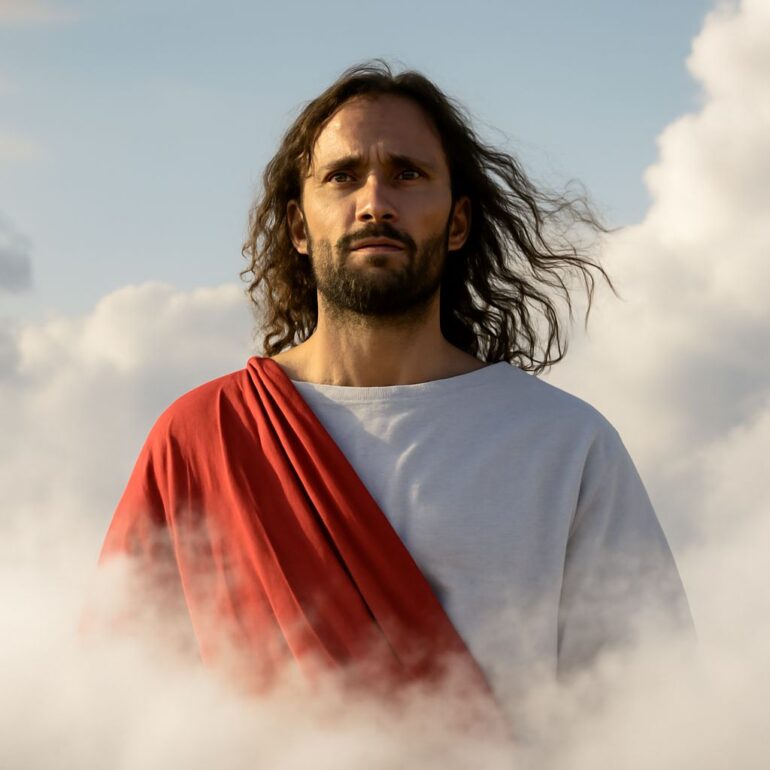
The return of Jesus, also known as the Second Coming of Christ, is a central belief in Christianity, especially significant in Catholic teachings. This anticipated event holds profound theological importance and shapes the faith and practices of believers. Let’s delve into Catholic beliefs about Jesus’ return, its significance, and what it means for individuals today.
Catholic Beliefs on Jesus’ Return
Catholic doctrine teaches that Jesus will return to Earth at the end of time. This event, known as the Second Coming of Jesus, is mentioned in the Nicene Creed, a statement of faith recited during Mass. Catholics believe that Jesus’ return will fulfill God’s final plan for humanity and bring about the final judgment. This belief is rooted in Scripture, particularly in the Gospels and the Book of Revelation.
While the exact timing of the Second Coming is unknown, Catholics are encouraged to live in a state of readiness. This involves faithfulness to the teachings of Jesus, participating in the sacraments, and practicing love and charity. The anticipation of Jesus coming back serves as a reminder of the need for spiritual vigilance and moral integrity.
Significance of the Second Coming
The Second Coming of Christ holds significant implications for the world. It represents the culmination of history and the ultimate triumph of good over evil. According to Catholic teaching, Jesus’ return will lead to the resurrection of the dead and the establishment of God’s kingdom on Earth.
This event is seen as a source of hope for believers, offering the promise of eternal life and the restoration of justice. It reassures the faithful that despite the challenges and sufferings of this world, a divine plan is in motion that will ultimately lead to a new creation, free from sin and death.
Implications for Believers
For Catholics, the belief in Jesus’ return influences daily life and spiritual practices. It calls for a commitment to living out one’s faith with sincerity and devotion. Believers are urged to engage in acts of kindness, seek reconciliation, and foster a deep relationship with God through prayer and the sacraments.
The anticipation of the Second Coming also encourages a sense of community and responsibility. Catholics are reminded of their duty to care for others and the world, reflecting the love and teachings of Christ. This belief fosters a sense of hope and purpose, guiding individuals in their spiritual journey and their interactions with others.
Ultimately, the return of Jesus is a cornerstone of Catholic faith that emphasizes readiness, hope, and a commitment to living a life aligned with Christ’s teachings.
