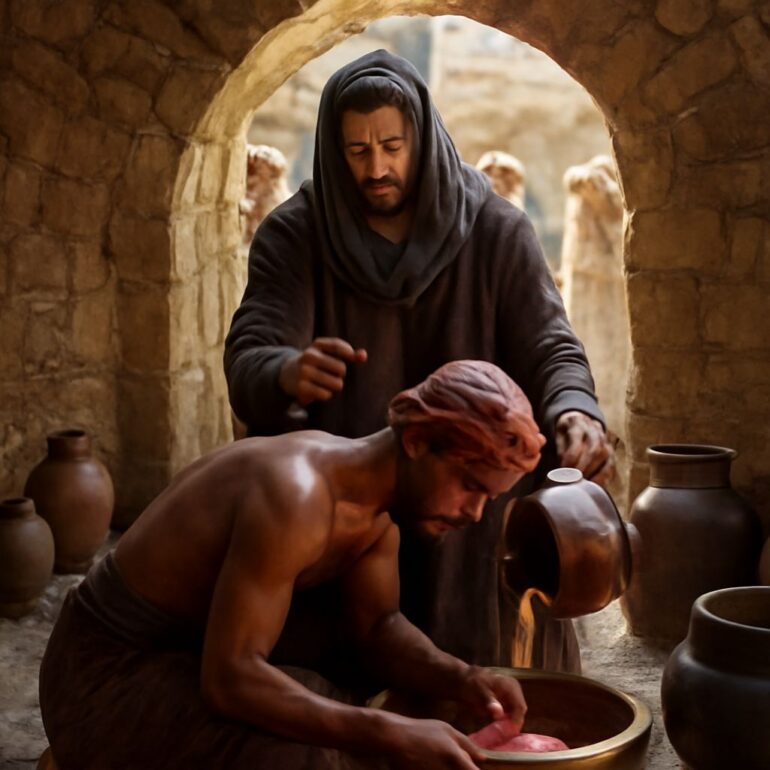
Matthew 22 presents a series of powerful teachings from Jesus as he interacts with various groups in Jerusalem. At the heart of this chapter is the parable of the wedding feast, a striking story about God’s kingdom that challenges both listeners then and now. This article explores the chapter, explains the parable, and draws out key lessons that remain relevant for readers today.
Summary of Matthew 22
Matthew 22 records several significant moments in Jesus’ ministry. The chapter opens with Jesus telling the parable of the wedding feast. Following the parable, the religious leaders—Pharisees, Herodians, Sadducees, and a lawyer—attempt to trap Jesus with challenging questions. They ask about paying taxes to Caesar, the resurrection, and the greatest commandment. Jesus answers each with wisdom, silencing his critics and revealing deeper truth about God’s kingdom.
The chapter concludes with Jesus questioning the Pharisees about the identity of the Messiah. Through his responses, Jesus demonstrates both his authority and his divine insight, leaving his challengers unable to respond. Throughout the chapter, the tensions between Jesus and the religious leaders reach a peak, setting the stage for the events leading to his crucifixion.
Each section of Matthew 22 is rich with teaching, but the parable that begins the chapter sets the tone for all that follows. It encapsulates themes of invitation, response, and accountability within God’s kingdom.
The Parable of the Wedding Feast
The parable of the wedding feast is found in Matthew 22:1-14. In the story, a king prepares a wedding banquet for his son and sends out servants to call those invited. However, the invited guests refuse to come. Some ignore the invitation, while others mistreat and even kill the king’s servants. In response, the king sends his armies to punish those unworthy guests and destroy their city.
The king then instructs his servants to go into the streets and invite anyone they find, both good and bad. The wedding hall fills with guests. But when the king enters, he notices a man without wedding clothes. Questioned by the king and left speechless, the man is thrown out into the darkness.
Jesus ends the parable with the statement, “For many are called, but few are chosen.” The imagery is vivid and unsettling, raising questions about invitation, response, and the consequences of our choices regarding God’s grace.
This parable addresses the rejection of Jesus by the religious elite and the broadening of God’s invitation to all people. It also highlights that simply being present is not enough—proper preparation and transformation are required to fully participate in God’s kingdom.
Key Lessons and Interpretations
The parable of the wedding feast is packed with meaning. One central lesson is the openness of God’s invitation. Initially, the guests represent Israel’s leaders and people, who had the privilege of God’s call. Their refusal symbolizes the rejection of Jesus and the messengers God sent.
When those first invited reject the king, the invitation extends to everyone in the streets, symbolizing the inclusion of Gentiles and all who respond to God’s grace. This illustrates that God’s kingdom is open to all, regardless of background or prior status.
The man without wedding clothes highlights another key point: responding to God’s invitation requires more than showing up. The “wedding garment” is often interpreted as a symbol of righteousness or repentance. This points to the necessity of transformation and genuine faith, not just outward participation.
Another lesson comes from the phrase “many are called, but few are chosen.” This reminds readers that while God’s call is broad, true acceptance is marked by a heart ready for change, humility, and commitment to following God’s ways.
Relevance for Today
The message of Matthew 22 and the parable of the wedding feast continues to resonate in modern times. It speaks to the danger of complacency or taking God’s invitation for granted. In a world filled with distractions and competing priorities, the call to God’s kingdom can be easily ignored or dismissed.
For readers today, the parable encourages a thoughtful response to God’s grace. It invites self-examination: Are we merely present, or are we truly prepared and transformed by the message of Jesus? The story pushes us to consider whether our lives reflect the commitment and change that true faith requires.
The global reach of the invitation is also significant. The parable breaks down barriers of privilege and background, showing that everyone has a place in God’s celebration if they respond in faith and humility. Communities and individuals can draw inspiration from this message to be welcoming and inclusive, echoing the generosity of the king in the story.
Ultimately, Matthew 22 calls for a life of active response, readiness, and transformation—a message that challenges and inspires believers in every generation.
