Nicodemus is a significant figure in the New Testament, known for his interactions with Jesus and his gradual journey from skepticism to faith. His story appears exclusively in the Gospel of John, where he is introduced as a Pharisee and a respected leader among the Jewish people. Understanding who was Nicodemus helps shed light on deeper themes of belief, transformation, and the challenges of accepting spiritual truth.
Nicodemus in the Bible
Nicodemus first appears in the Gospel of John, chapter 3. He is described as a Pharisee, a member of the Jewish ruling council known as the Sanhedrin. This council was responsible for religious decisions and maintaining Jewish law. Being part of this group meant that Nicodemus held influence and respect in Jerusalem.
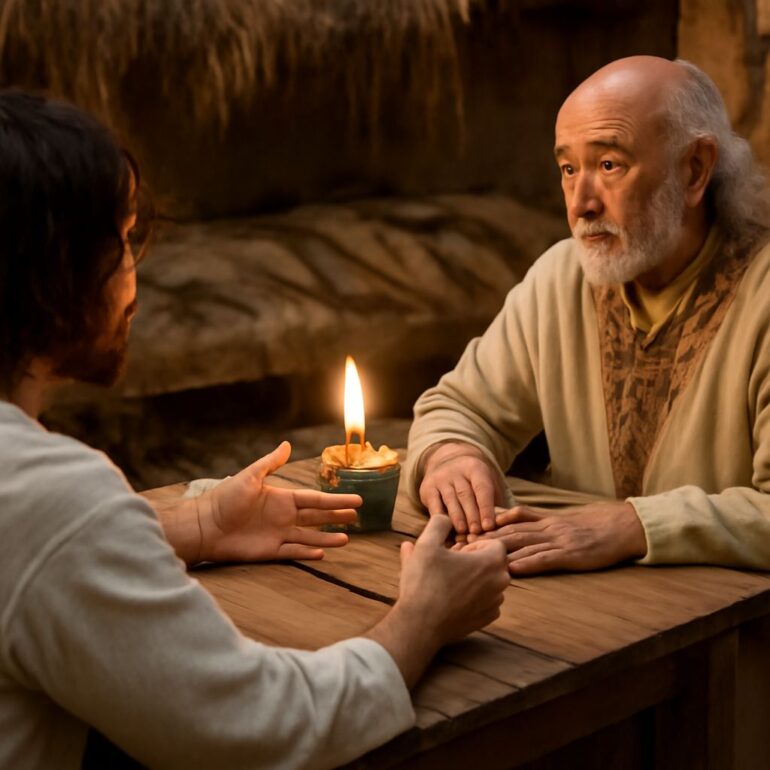
The Bible depicts Nicodemus as someone genuinely curious about Jesus’s teachings, even though most Pharisees were skeptical or hostile toward him. He approaches Jesus by night, likely to avoid public attention or criticism from his peers. This first encounter raises the question, who was Nicodemus in the Bible? He was not just a religious leader, but also a seeker—someone wrestling with what he saw and heard from Jesus.
Nicodemus’s actions throughout John’s Gospel show a gradual shift from curiosity to cautious support and, finally, to open faith. His story captures the struggle many people face when new spiritual truths challenge long-held beliefs or social pressures.
Key Encounters with Jesus
Nicodemus’s most famous encounter with Jesus is found in John 3:1-21. In their conversation, Jesus explains the necessity of being “born again” to see the kingdom of God. This confuses Nicodemus, who asks, “How can a man be born when he is old?” Jesus’s response introduces the concept of spiritual rebirth through the Holy Spirit, a cornerstone of Christian belief.
During this dialogue, Jesus delivers one of the most well-known verses in the Bible: “For God so loved the world that he gave his one and only Son, that whoever believes in him shall not perish but have eternal life” (John 3:16). This teaching deeply impacts Nicodemus, even if he does not immediately understand or accept it.
Nicodemus reappears twice more in the Gospel of John. The second time is in John 7:50-52, where he defends Jesus before the other Pharisees, asking whether their law allows them to judge a man without first hearing him. Although Nicodemus’s defense is cautious, it shows he is willing to stand up for fairness and justice, even among skeptical peers.
The final mention of Nicodemus is after Jesus’s crucifixion (John 19:39-42). He joins Joseph of Arimathea to prepare Jesus’s body for burial, bringing a large amount of myrrh and aloes. This act is significant. By caring for Jesus’s body, Nicodemus openly aligns himself with Jesus, risking his reputation and status. This bold gesture suggests that his faith has grown stronger and more public.
Nicodemus’s Meaning and Legacy
The Nicodemus meaning goes beyond his name, which is of Greek origin and means “victory of the people.” In the context of the Gospel, Nicodemus represents a journey from doubt to faith—a transformation that many readers can relate to. His willingness to seek out Jesus, question, and finally act, models a thoughtful approach to faith.
Nicodemus’s story demonstrates that sincere questions and moments of uncertainty do not disqualify someone from spiritual growth. On the contrary, the Bible shows that God welcomes seekers and those who wrestle with difficult truths. Nicodemus’s presence in the Gospel of John reassures readers that change is possible, even for respected leaders facing social pressure.
Today, the story of Nicodemus in the Bible encourages openness, humility, and courage in the pursuit of truth. His life offers inspiration for anyone who feels caught between tradition and new spiritual understanding. By the end of his story, Nicodemus becomes a symbol of both personal transformation and the power of faith in action.
Through the questions he asked, the risks he took, and the compassion he showed, Nicodemus leaves a legacy for believers to consider: faith often grows in stages, and true courage sometimes means stepping forward when it matters most.
