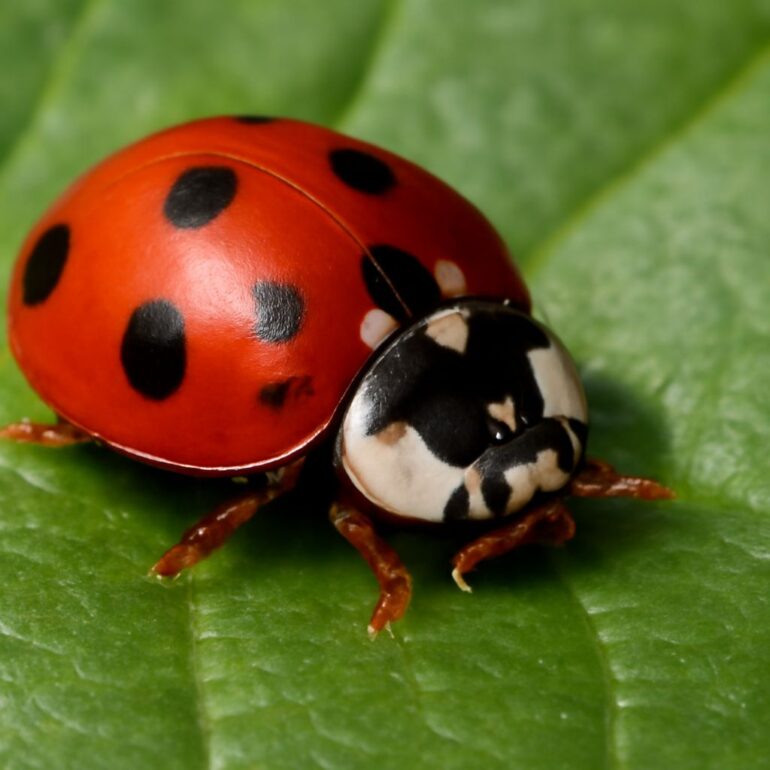
Ladybugs are widely seen as symbols of good fortune and positivity. Their bright red color and delicate spots have inspired legends across the world, but their meaning holds special importance within Catholic tradition. Whether you spot a ladybug in your garden or hear stories about them, understanding their symbolism can offer new insight into faith, hope, and protection.
Ladybugs as Good Luck Symbols
Are ladybugs good luck? In many cultures, the answer is yes. Ladybugs, sometimes called “ladybirds,” are often thought to bring blessings and prosperity. Seeing a ladybug is considered a sign that good things are on the way, whether it’s success, love, or health. This belief is especially strong in Europe and North America, where tales about ladybugs bringing good luck have been passed down for generations.
The good luck association often comes from gardeners, who notice that ladybugs help control pests. Because they eat aphids and other harmful insects, ladybugs are seen as nature’s helpers. When one lands on you, tradition says you should make a wish before it flies away—some believe that wish will come true.
Other folk practices link the number of spots on a ladybug’s back to luck, with more spots meaning extra blessings. There are also superstitions that if a ladybug lands on something valuable, such as a piece of clothing or a plant, it means extra protection or a renewal of luck in that area of life.
Stories about ladybugs as omens of good luck remain popular today, often passed along to children as a way to inspire hope and appreciation for nature’s small wonders.
What Do Ladybugs Symbolize in Catholicism?
What do ladybugs symbolize in Catholic tradition? Within the Catholic faith, ladybugs hold a unique connection to the Virgin Mary. In Medieval Europe, farmers prayed to Mary for protection of their crops from pests. After ladybugs arrived and helped save the harvest, people began calling them “Our Lady’s beetle.” Over time, this name became “ladybug.”
The ladybug became linked with Mary’s virtues—purity, grace, and motherly care. The red color is thought to represent the Virgin’s cloak, while the black spots may symbolize her sorrows or joys. Some Catholic stories describe the seven-spotted ladybug as a reminder of the Seven Joys and Seven Sorrows of Mary, inviting believers to reflect on her life and example.
This association goes beyond names and colors. Ladybugs are sometimes featured in Catholic art and decorations, serving as gentle reminders of Mary’s presence and intercession. Devotional items, like prayer cards and medals, occasionally include ladybug imagery to encourage faith and trust in divine protection.
For Catholics, seeing a ladybug can be interpreted as a subtle sign of comfort and reassurance, suggesting that Mary is watching over them or responding to prayer.
Ladybug Meaning in Faith and Folklore
What does a ladybug mean beyond Catholicism? Ladybug meaning in faith and folklore spans many cultures and interpretations. In Christianity more broadly, ladybugs are sometimes viewed as messengers of God’s blessings, sent to remind people of grace and care from above.
In various European traditions, the ladybug’s arrival marks the end of hardship or signals a time of answered prayers. Farmers in France and Germany, for example, believed that killing a ladybug would bring bad luck, while protecting one would guarantee good weather or a bountiful harvest.
Other legends say that when a ladybug lands on a person, it is a sign that angels are nearby or that a period of trial has ended. In some places, families recite special rhymes or prayers when seeing a ladybug, blending religious gratitude with folkloric custom.
Ladybugs are also seen as symbols of protection. Their bright warning colors help fend off predators, and this natural defense is mirrored in stories that call them guardians for children or talismans against harm. Many people keep ladybug-themed charms or decorations in their homes for this reason.
Ladybugs in Scripture and Catholic Art
While ladybugs do not appear by name in the Bible, their presence is often interpreted through the lens of creation and divine care. Catholic tradition sees every creature as a reflection of God’s artistry, and ladybugs—with their striking beauty and helpful role—are considered gentle manifestations of God’s love for the world.
In Catholic art, ladybugs occasionally appear in paintings, stained glass, and illuminated manuscripts as a subtle symbol of the Virgin Mary’s protection. The inclusion of a ladybug in a religious scene might signal hope, answered prayer, or the promise of new life. Some Marian shrines use ladybug motifs on banners or altar cloths to reinforce this gentle connection.
Ladybug imagery has also found its way into modern Catholic gifts, such as children’s books, jewelry, and rosaries, to teach lessons about faith and trust in Mary’s help. This visual language helps pass down these stories of comfort and grace to new generations.
Through faith, folklore, and symbol, the ladybug remains a cherished reminder of luck, protection, and the loving guidance that many find in Catholic tradition.
