Shinto is the oldest spiritual tradition in Japan, shaping the country’s culture and worldview for over a thousand years. While many religions focus on formal doctrine, Shinto stands out for its close connection to nature, everyday life, and Japanese identity. Understanding what is Shinto, its beliefs, and its continuing influence helps explain both Japan’s past and its present traditions.
What Is Shinto?
The term Shinto means “the way of the gods,” and it refers to the indigenous religion of Japan. Unlike many organized religions, Shinto does not have a single founder, sacred scripture, or a strict set of rules. Instead, it is a collection of rituals, practices, and beliefs centered on a deep reverence for kami—spiritual beings or gods found in nature, places, and even ancestors.
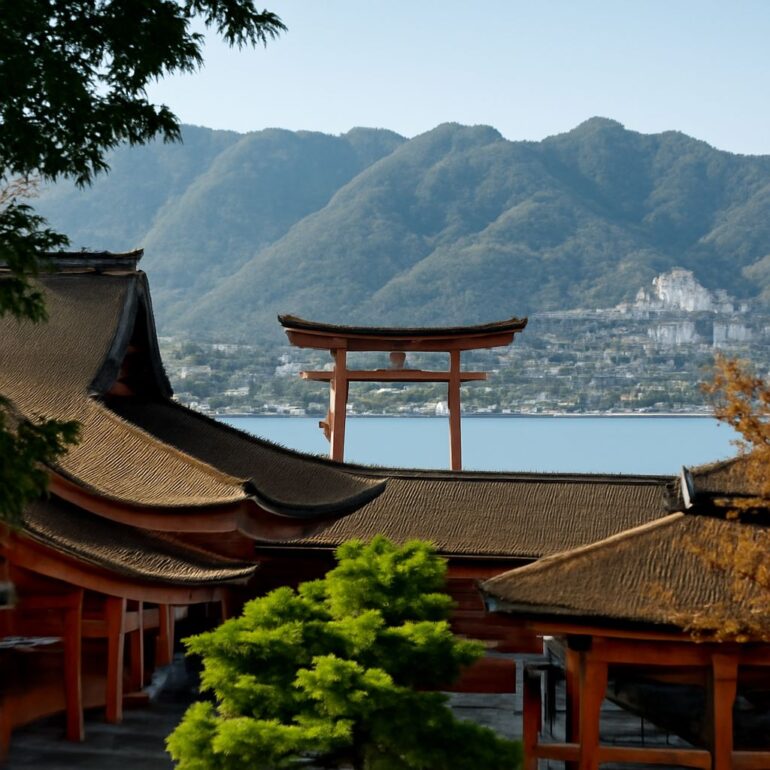
Shinto developed organically alongside Japanese society, absorbing local customs and myths over the centuries. The religion is woven into the fabric of Japan’s seasonal festivals, family ceremonies, and major life events. Shinto shrines, recognizable by their iconic torii gates, are found throughout Japan and serve as places to honor kami and seek blessings for health, fortune, and safety.
Although Shinto often coexists with Buddhism and other faiths in Japan, it remains distinct in its focus on harmony with nature and connection to the land. This unique blend gives the answer to what is Shinto its special place in Japanese life and identity.
Core Shinto Beliefs
The foundation of Shinto beliefs centers around kami, which are not all-powerful gods but spiritual forces present in nature, objects, and ancestors. Kami can be found in mountains, trees, rivers, and even storms. People show respect to kami through rituals, prayers, and offerings, believing this maintains balance and brings good fortune.
Purity is a key concept in Shinto. Practitioners participate in purification rituals, such as washing hands and rinsing mouths at shrine entrances, to cleanse themselves of spiritual impurity before approaching a kami. This focus on cleanliness extends to personal habits and community events, highlighting the importance of harmony and respect.
Shinto does not emphasize sin, punishment, or an afterlife in the same way as Western religions. Instead, it values gratitude for daily blessings and the cycles of life and nature. There is a strong belief in the potential for humans to nurture positive relationships with the natural world and with other people, guided by sincerity and honesty—qualities called makoto in Japanese.
Seasonal festivals, known as matsuri, are another core aspect of Shinto. These events celebrate the kami, mark agricultural cycles, and foster community spirit. Examples include the springtime cherry blossom festivals and New Year’s celebrations, where millions visit shrines for the first prayers of the year.
Shinto Religion in Japan
The Shinto religion in Japan is deeply intertwined with the country’s history, customs, and daily routines. Most Japanese people participate in Shinto rituals even if they do not consider themselves religious in the Western sense. Births, weddings, and New Year’s visits to shrines are common practices rooted in Shinto tradition.
There are more than 80,000 Shinto shrines across Japan, serving as local community centers and places of worship. Famous shrines like Meiji Jingu in Tokyo and Fushimi Inari Taisha in Kyoto attract millions of visitors each year for their historical significance and spiritual atmosphere.
Shinto religion in Japan often blends with Buddhism, especially in family and funeral practices. It is common for families to observe both Shinto and Buddhist rituals, reflecting Japan’s flexible approach to spirituality. Shinto priests, known as kannushi, conduct ceremonies, maintain the shrines, and guide local communities in traditional observances.
Despite modernization, Shinto remains a living tradition. Schoolchildren may participate in shrine festivals, and companies often organize blessings for new ventures or construction projects, seeking protection and success from the kami.
Shinto’s Role in Public Life
Beyond private worship, Shinto shapes many aspects of public and cultural life in Japan. National holidays such as Shogatsu (New Year) and Coming of Age Day feature Shinto ceremonies, and the imperial family’s rituals are rooted in ancient Shinto practices. These traditions reinforce social bonds and a sense of continuity with the past.
Many Japanese cities and villages host annual matsuri, drawing crowds to celebrate local kami with parades, music, and food. Participation is widespread, regardless of individual belief, highlighting how Shinto connects communities through shared customs.
Shinto also influences Japanese arts, architecture, and environmental values. The presence of sacred groves, careful shrine design, and the reverence for untouched nature reflect Shinto’s respect for the environment. In times of crisis, such as natural disasters, people often turn to shrines for comfort, emphasizing the religion’s ongoing role in providing hope and unity.
Through its rituals, beliefs, and public presence, Shinto continues to shape Japan’s cultural landscape, offering a unique model of spirituality that values both tradition and the changing world.
