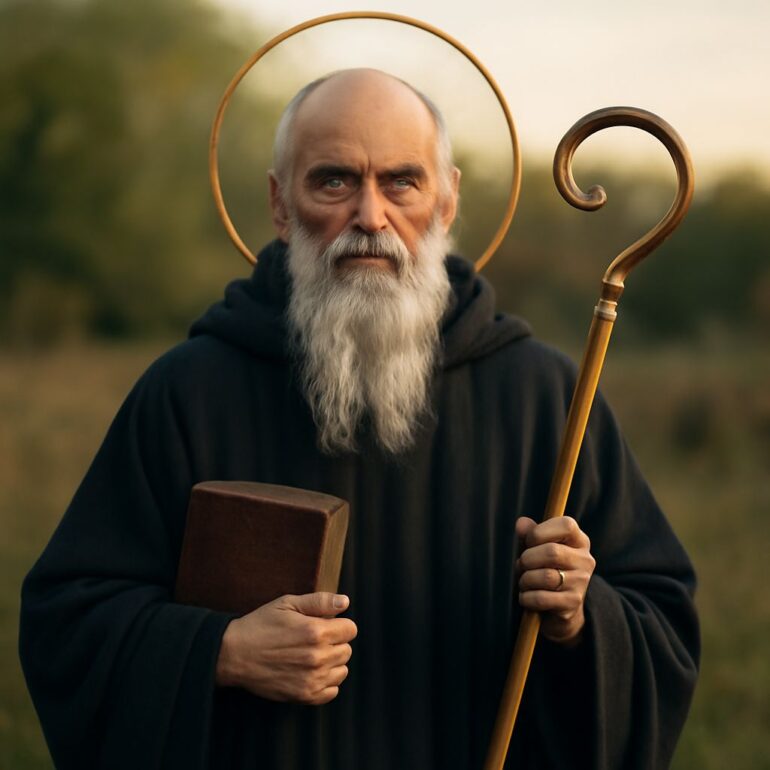
St. Benedict of Nursia, also known as Saint Benito, is a pivotal figure in the history of Christianity. Renowned for founding Western monasticism, his teachings continue to influence religious communities worldwide. In this article, we explore who St. Benedict was and delve into his life, teachings, and enduring legacy.
The Life of St. Benedict
Born in Nursia, Italy, around 480 AD, St. Benedict led a life dedicated to faith and community. After receiving a classical education in Rome, he retreated to the mountains of Subiaco to seek a life of solitude and prayer. His reputation for holiness attracted followers, leading him to establish several monastic communities.
St. Benedict eventually founded the monastery of Monte Cassino around 529 AD, which became a model for monastic life in Europe. This community was centered on work, prayer, and communal living, reflecting his vision of a balanced monastic lifestyle.
Teachings and Rule
St. Benedict’s most significant contribution is the “Rule of St. Benedict,” a guide for monastic life that emphasizes obedience, humility, and contemplation. This rule outlines a daily routine of prayer, work, and study, structured to foster spiritual growth and community harmony.
The Rule of St. Benedict is noted for its moderation and flexibility, accommodating different personalities and conditions. It emphasizes the importance of balance—between prayer and work, spiritual and physical needs. This approach set the foundation for many monastic communities and is still followed today.
Legacy and Influence
The impact of St. Benedict extends far beyond his lifetime. As the founder of Western monasticism, his Rule became the standard for monastic life across Europe, shaping the spiritual and cultural landscape of the continent during the Middle Ages.
His teachings inspired the Benedictine Order, which played a crucial role in preserving knowledge through the Dark Ages by copying manuscripts and maintaining libraries. The values outlined in his Rule, such as community, hospitality, and service, continue to resonate in modern religious practices.
St. Benedict of Nursia’s legacy lives on, influencing not only monastic communities but also broader religious and lay practices. His life exemplifies a dedication to faith, community, and balanced living, cementing his role as a guiding light in Christian history.
