Islam is a major world religion with rich traditions and deeply held beliefs. Understanding what Muslims believe involves exploring both core beliefs and essential practices. At the heart of Islam are the Five Pillars, which guide the daily lives of Muslims and encapsulate the essence of the faith. This article delves into the key beliefs in Islam, offering insights into what Muslims hold dear and practice daily.
Core Beliefs of Islam
Central to Islam are the core beliefs that shape the faith’s foundation. Muslims believe in one God, Allah, who is the creator and sustainer of the universe. This monotheistic belief is fundamental to Islam. Additionally, Muslims believe in the prophets, with Muhammad regarded as the final prophet. The Quran, Islam’s holy book, is considered the literal word of God and is a guide for all aspects of life.
Another critical belief is in the angels, who are seen as messengers and servants of God. Muslims also believe in the Day of Judgment, where every individual’s deeds will be assessed. The concept of divine decree, or fate, is accepted, emphasizing that Allah has a plan for all creation.
The Five Pillars of Islam
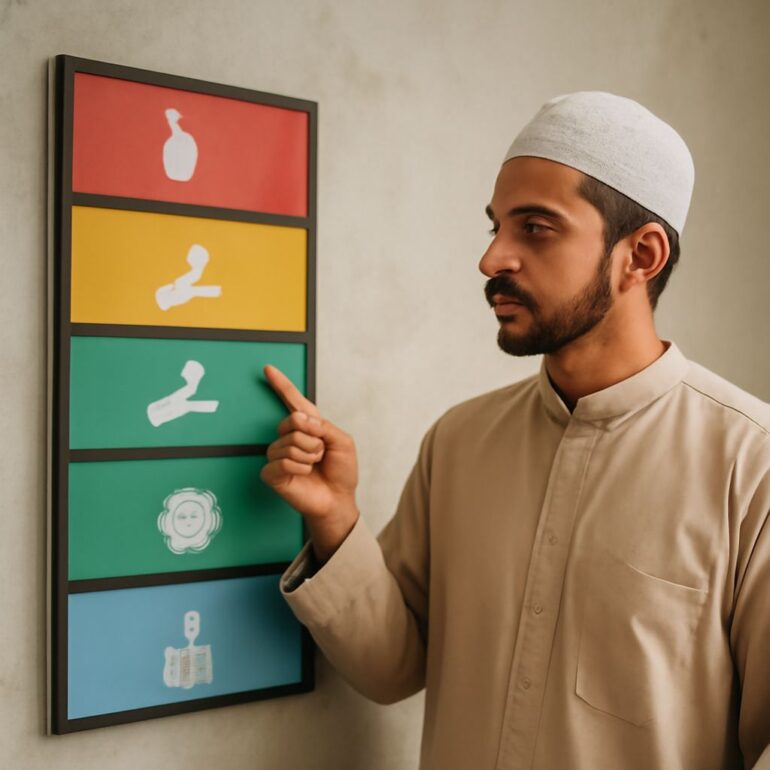
The Five Pillars of Islam are fundamental acts of worship and the foundation of a Muslim’s faith and practice. These pillars include:
- Shahada (Faith): The declaration of faith, stating that there is no god but Allah, and Muhammad is His messenger.
- Salah (Prayer): Performing ritual prayers in the proper way five times each day.
- Zakat (Charity): Giving to those in need, typically a fixed portion of their income, to support the community and promote justice.
- Sawm (Fasting during Ramadan): Abstaining from food, drink, and other physical needs from dawn until sunset during the month of Ramadan.
- Hajj (Pilgrimage): Undertaking a pilgrimage to Mecca at least once in a lifetime if financially and physically able.
Major Tenets and Practices
In addition to the Five Pillars, there are other significant beliefs and practices that define Islam. Muslims engage in regular prayer and follow a strict dietary code, which includes the consumption of halal food. They are also encouraged to live ethically, promoting peace, justice, and compassion in their communities.
Islamic practices extend to social and economic behaviors, emphasizing humility, generosity, and honesty. The community aspect is vital, with Friday prayers at the mosque serving as a communal worship experience. Muslims are also guided by the Hadith, which are sayings and actions of the Prophet Muhammad that provide further explanations and examples of living according to Islamic beliefs.
Understanding these elements of Islam provides a window into the spiritual and practical lives of Muslims worldwide. These beliefs and practices are not just religious obligations but are integrated into the daily lives of believers, shaping their worldview and actions.
