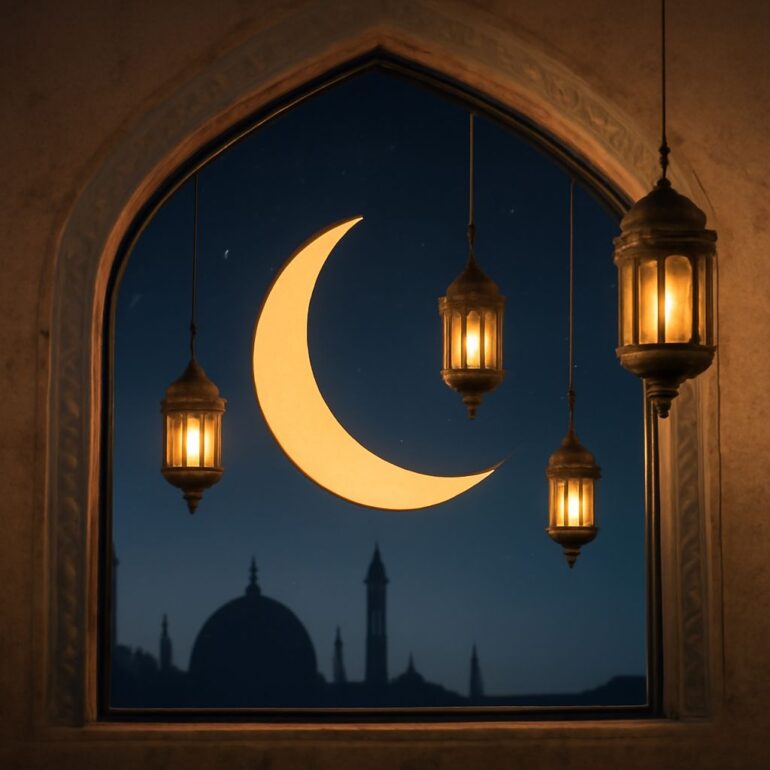
Eid al-Fitr, also known simply as Eid, marks the end of Ramadan, a month of fasting observed by Muslims worldwide. It is a time of joy and gratitude, celebrated with prayers, feasting, and community gatherings. Understanding the essence of this festive occasion is key to appreciating its significance and the diverse ways it is celebrated across the globe.
What is Eid al-Fitr
Eid al-Fitr, which translates to “Festival of Breaking the Fast,” is a significant Islamic holiday that concludes Ramadan, the holy month of fasting. During Ramadan, Muslims fast from dawn until sunset, dedicating time to prayer, reflection, and community. The sighting of the new moon signals the end of Ramadan and the beginning of Eid al-Fitr.
Significance of Eid al-Fitr
Eid al-Fitr is a time to express gratitude to Allah for the strength and endurance shown throughout Ramadan. It is also an opportunity for Muslims to seek forgiveness and to forgive others. Zakat al-Fitr, a form of charity, is given to the needy before the Eid prayer, emphasizing the spirit of sharing and caring for the less fortunate. This act ensures that everyone can partake in the festivities.
Traditions and Celebrations
The day begins with a special prayer service, often held in large open spaces or mosques. Muslims dress in their finest clothing, symbolizing purity and renewal. After the prayer, families and friends gather to share festive meals, which often include sweet dishes like dates and special desserts unique to each culture.
Exchanging gifts and visiting relatives are common practices, fostering a sense of community and togetherness. Children often receive Eidi, which are gifts or money given by elders. This tradition underlines the joyous and giving spirit of Eid al-Fitr.
Eid al-Fitr Around the World
The way Eid al-Fitr is celebrated varies across different cultures and regions. In the Middle East, sumptuous feasts and lively festivals mark the day. In South Asia, colorful attire and vibrant street fairs are common. In Indonesia, the world’s largest Muslim-majority country, Eid is known as Lebaran, and it involves a large-scale exodus from cities as people return to their hometowns.
In Turkey, Eid is celebrated as Ramadan Bayramı, with three days of feasting and family visits. Across Africa, celebratory prayers and community meals highlight the occasion. Despite the regional differences, the core values of gratitude, charity, and community remain central to all celebrations.
Eid al-Fitr is a testament to the unity and diversity of the Muslim world, bringing people together in a shared expression of faith and festivity. As families come together to mark the end of Ramadan, they also renew their bonds and reaffirm their commitment to the values of compassion and generosity.
