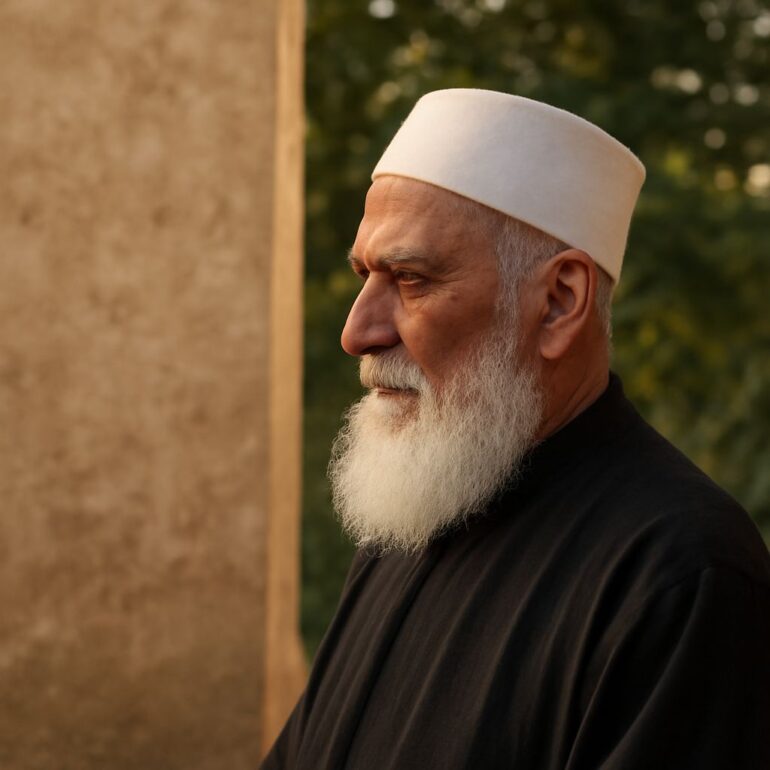
The Druze religion, often referred to simply as the Druze faith, is a unique and esoteric spiritual tradition with origins in the Middle East. Known for its distinct beliefs and practices, the Druze community has maintained a strong sense of identity and cohesion over the centuries. This article delves into the history, core beliefs, and practices of the Druze religion, as well as how it compares to Catholicism.
Origins and History of the Druze
The Druze faith originated in the 11th century in the Middle East, primarily in the region that is now Lebanon, Syria, and Israel. It emerged from Ismaili Islam, a branch of Shia Islam. The religion was founded by Fatimid Caliph al-Hakim bi-Amr Allah, whose teachings and philosophy laid the groundwork for the Druze beliefs. The name “Druze” comes from al-Darazi, one of the early preachers of the faith. However, his views were eventually rejected by the community, which instead followed the teachings of Hamza ibn Ali ibn Ahmad, the main architect of the Druze doctrine.
Core Beliefs of the Druze Religion
The Druze religion incorporates elements from Islam, Hinduism, Greek philosophy, and Gnosticism, creating a unique theological framework. Central to Druze beliefs is the idea of reincarnation, with the soul undergoing multiple lives in pursuit of ultimate enlightenment. The Druze also believe in the unity of God, the importance of truthfulness, and the rejection of outward religious rituals. They hold that spiritual knowledge is accessible only to the initiated, and therefore much of their doctrine remains secret to outsiders. This esoteric nature has helped preserve their distinct identity over the centuries.
Practices and Traditions
The Druze community is known for its strong emphasis on loyalty and unity. Unlike many other religions, the Druze do not have specific places of worship like churches or mosques. Instead, they gather in meeting halls known as “khalwas” for prayer and community discussions. The Druze observe several key religious texts, though these are kept private and passed down orally among the initiated. Celebrations and rituals are minimal, with a focus on spiritual and moral conduct in daily life. This understated approach to religious practice reflects their belief in simplicity and humility.
Comparing the Druze Faith to Catholicism
While the Druze faith and Catholicism both stem from Abrahamic traditions, they differ significantly in theology and practice. Catholicism is a branch of Christianity with a well-defined hierarchy, sacraments, and a global presence. It emphasizes the teachings of Jesus Christ, the importance of communion, and the authority of the Pope. In contrast, the Druze religion does not focus on a singular prophet or structured religious rituals. Instead, it stresses personal spiritual growth and the pursuit of esoteric knowledge.
One notable similarity is the emphasis on community and moral living found in both faiths. However, the Druze’s belief in reincarnation and secrecy regarding religious texts stands in stark contrast to Catholic doctrines. These differences highlight the unique nature of the Druze faith and its ability to maintain its distinct identity through centuries of change.
