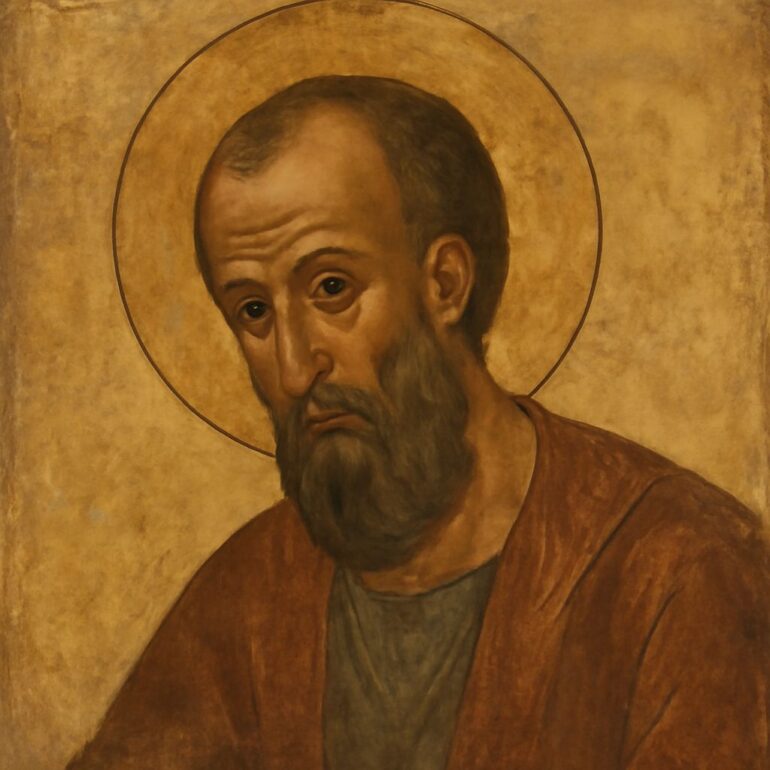
Apostle Paul, known as Saul of Tarsus before his conversion, is one of the most influential figures in Christianity. His writings and teachings have significantly shaped Christian theology and the spread of the Christian faith. Paul in the Bible is not only a key protagonist but also an example of transformation, devotion, and missionary zeal.
Who Is Apostle Paul?
Paul, originally named Saul, was a Jewish Pharisee from Tarsus, a city in present-day Turkey. He was a Roman citizen and well-educated, particularly in Jewish law and tradition. Initially, Paul was a fervent persecutor of Christians, opposing the spread of Jesus Christ’s teachings. However, his life took a dramatic turn when he encountered the risen Christ on the road to Damascus, leading to his conversion to Christianity.
Paul’s Early Life and Conversion
Saul of Tarsus was raised in a devout Jewish family and was deeply committed to the Pharisaic tradition. His early life was marked by a zealous defense of Jewish law, which led him to persecute early Christians. This changed abruptly when he experienced a vision of Jesus, which left him temporarily blinded. Afterward, he was baptized and began preaching about Jesus as the Messiah. This conversion marked the beginning of his new identity as Paul, a devoted apostle of Christ.
Paul’s Missionary Journeys
Paul embarked on several missionary journeys throughout the Roman Empire, spreading the message of Christianity far and wide. His travels took him to regions such as Asia Minor, Greece, and Rome. During these journeys, Paul established numerous churches and wrote epistles to communities, providing guidance and theological insights. His letters, including Romans, Corinthians, and Galatians, form a significant part of the New Testament, offering teachings that continue to influence Christian thought.
Legacy and Influence of Paul
Apostle Paul’s impact on Christianity is profound. He is credited with expanding the reach of the faith beyond Jewish communities, making Christianity a global religion. His theological contributions, particularly on topics like grace, salvation, and the nature of the Church, have shaped Christian doctrine. Paul’s emphasis on faith and his articulation of the gospel have left a lasting legacy that endures in theological studies, religious practices, and the lives of believers worldwide.
